
Shop Direct | Free Shipping above $29 | Same day dispatch

What Causes Mouth Ulcers and How to Stop Them from Coming Back

Mouth ulcers are small sores that can have a big impact on your daily comfort. Eating, drinking, and speaking often become difficult, and when they keep returning, they can feel even more frustrating. To manage them properly, it helps to understand what mouth ulcers cause in the first place and what you can do to stop them from recurring. Many people also wonder how can I get rid of a mouth ulcer quickly, and the answer often lies in a combination of smart habits, awareness of triggers, and effective treatment.

This guide explores the most common reasons mouth ulcers develop, what keeps them coming back, and how you can take control of your oral health with both immediate relief strategies and long term prevention.

What Are Mouth Ulcers

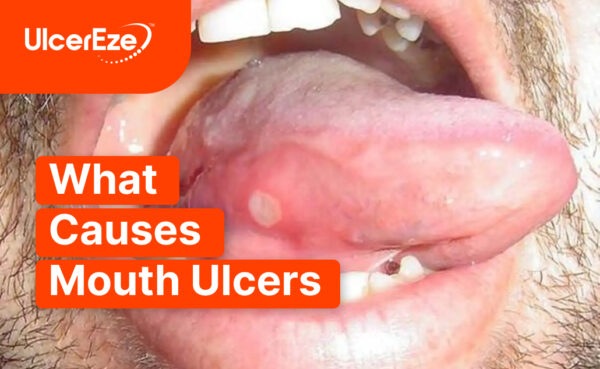
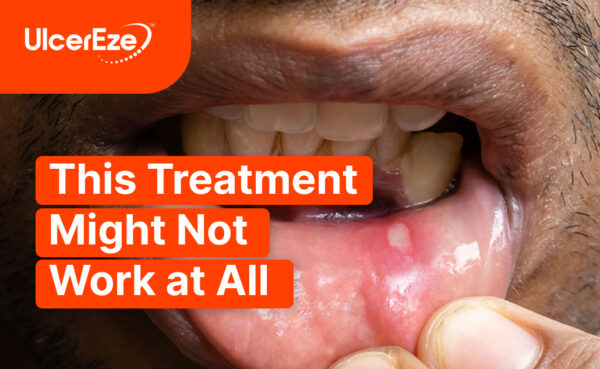
Mouth ulcers, sometimes called canker sores, are shallow, painful lesions that develop inside the mouth. They often appear on the inner cheeks, tongue, gums, or soft tissues. These sores are usually white or yellow in the centre with a red border. Although they are not contagious, they can be very uncomfortable.

Mouth ulcers typically heal within one to two weeks, depending on the cause and severity. However, when you understand what mouth ulcers cause in the body and what triggers them, it becomes clearer why some people get them more often than others.

The Most Common Causes of Mouth Ulcers

Ulcers form when the delicate lining of the mouth becomes irritated, inflamed, or damaged. Several factors can contribute to this, and for many people, it is a combination of triggers rather than one single issue.

Below are the most common mouth ulcers cause factors.

Accidental Injury

Minor injuries are the leading cause of mouth ulcers. Biting the inside of the cheek, scraping your gum with a toothbrush, or irritation from braces and dentures can all create small wounds. These injuries may look harmless at first but can quickly become painful ulcers.

Hard or sharp foods like crisps, nuts, or crusty bread also contribute to minor cuts in the mouth. Once the tissue breaks, exposure to saliva, acid, and food can slow healing.

Stress and Lack of Sleep

There is a strong connection between stress and mouth ulcers. Stress affects the immune system, making the body less effective at repairing tissue. Poor sleep has a similar impact. Many people notice that ulcers appear during busy, stressful periods or after nights of disrupted sleep.

Understanding how both stress and tiredness weaken the body helps explain what mouth ulcers cause and why they can take longer to heal when you are run down.

Food Triggers

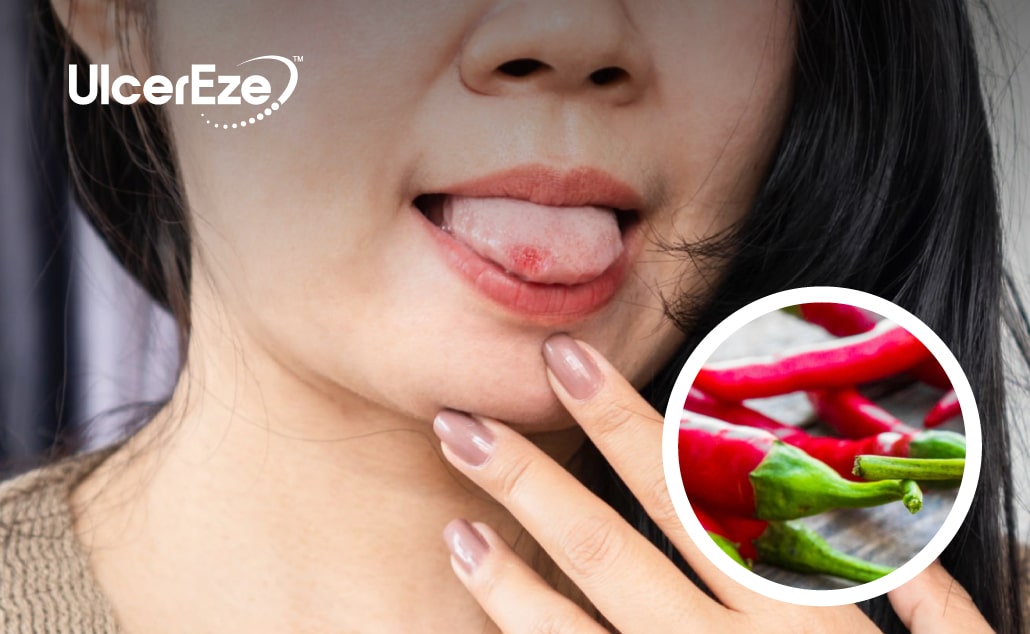
Certain foods are known to irritate the lining of the mouth. Citrus fruits, tomatoes, coffee, chocolate, and spicy dishes can all trigger or worsen ulcers. Some people have sensitivities to acidic or salty foods without realising it.

If you are wondering how to get rid of a mouth ulcer while still eating normally, some of the most important things you can do involve identifying and avoiding your food triggers.

Nutrient Deficiencies

Other causes of mouth ulcers are the lack of certain vitamins and minerals. Deficiency in vitamin B12, iron, folate, and zinc makes the mouth easily ulcerated. These nutrients are generally involved in tissue repair and immune strength; thus, when in small quantities, the mouth is weak.

If these ulcers are recurring, a physician may suggest a simple blood test to look for these deficiencies.

Hormonal Changes

Hormonal changes, such as those bearing on women, can increase the chances of having ulcers. For most women, ulcers seem to appear at specific times during their menstrual cycle.

Hormones influence inflammation and immunity, hence explaining why flare-ups can occur even when nothing else in your routine has changed.

Underlying Medical Conditions

Some people get recurring ulcers due to coeliac disease, Crohn’s disease, anemia, or an imbalance in the body’s immunological functions. Although less common, such conditions are important to exclude in the case of serious or very frequent ulcers.

Why Some People Keep Getting Mouth Ulcers

Understanding what is the cause of mouth ulcers and why they recur is critical to prevention. Genetics may be a factor, as some families are more susceptible. Others might simply have more sensitive oral tissue or stronger reactions to certain triggers, such as stress and acidic food.

Repeated outbreaks are also caused by a weakened immune system, nutrient deficiencies, and chronic inflammation. Once you identify which factors affect you personally, it becomes easier to manage and prevent future ulcers.

How Can I Get Rid of a Mouth Ulcer Quickly

While you cannot heal a mouth ulcer instantly, you can make it far more comfortable while it recovers.

A warm saltwater rinse is one of the simplest ways to soothe the area. Honey and aloe vera have natural antibacterial and anti-inflammatory properties. Ice chips can reduce pain temporarily.

Avoiding acidic, spicy, or crunchy foods gives the ulcer a better chance to heal. Use a soft bristle toothbrush and be gentle around the affected area.

For many people asking how can I get rid of a mouth ulcer without constant irritation, creating a protective barrier is the most effective approach.

How a Mouth Ulcer Patch Helps

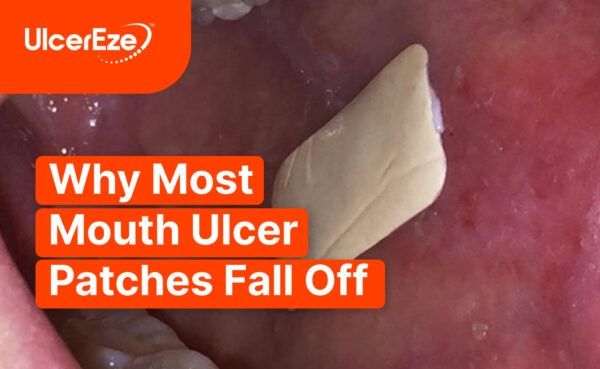
A mouth ulcer patch works by covering the sore to protect it from contact with food, teeth, and saliva. This reduces pain, prevents further aggravation, and helps the mouth heal in a calmer environment.

UlcerEze patches are formulated to stick securely and provide cushion like protection. They are especially helpful during meals or long conversations when the ulcer would otherwise be irritated.

Long Term Prevention Tips

Preventing ulcers is often easier than treating them. Simple daily habits can make a surprising difference:

  • Maintain a nutrient rich diet with leafy greens, lean proteins, and whole grains.
  • Reduce stress with exercise, stretching, or mindfulness.
  • Stay hydrated to protect the mouth’s natural barrier.
  • Avoid trigger foods that tend to irritate your mouth.
  • Brush with a soft toothbrush to avoid accidental injuries.
  • Choose an alcohol free mouthwash.

By understanding what mouth ulcers cause and how your lifestyle influences them, you gain more control over your oral health.

When to Seek Professional Help

Most mouth ulcers heal within two weeks. You should see a doctor or dentist if:

  • An ulcer lasts longer than this
  • Ulcers recur every few weeks
  • You experience fever, fatigue, or swollen glands
  • The ulcers are unusually large or severe

A healthcare professional can check for deficiencies or medical conditions that may be contributing to your symptoms.

What This Means for You

Mouth ulcers are painful but manageable once you understand their causes. Whether the issue is injury, stress, diet, or deficiencies, making small adjustments can significantly reduce how often they appear. If you want to know how can I get rid of a mouth ulcer quickly, combining home care with an UlcerEze mouth ulcer patch provides fast comfort while allowing natural healing to take place. With consistent care, you can prevent recurrence and keep your mouth healthy.