
Mouth ulcers can be quite difficult since they can make even simple activities an uncomfortable task. For example, eating and drinking may be quite difficult since the ulcer may be located in an area that rubs frequently against teeth and the tongue. The question of how can I get rid of my mouth ulcer quickly is one of those asked when an ulcer appears prior to an important activity. The good news is that although there is no way one can get instant relief from mouth ulcers, there is a way one can manage them and prevent them from recurring.
This guide explains what mouth ulcers are, why they hurt, and what steps you can take to manage them properly. It also looks at how targeted protection can make a significant difference during the healing process.
What is a mouth ulcer and why do they hurt so much?
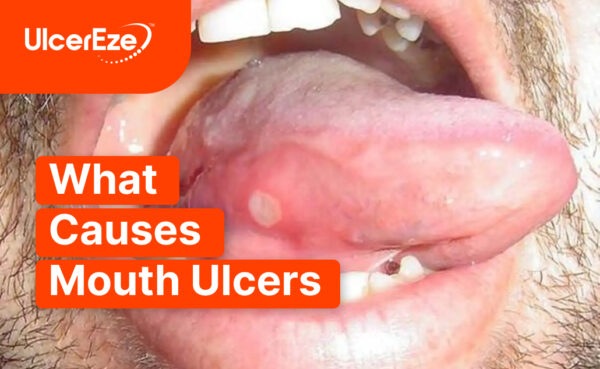
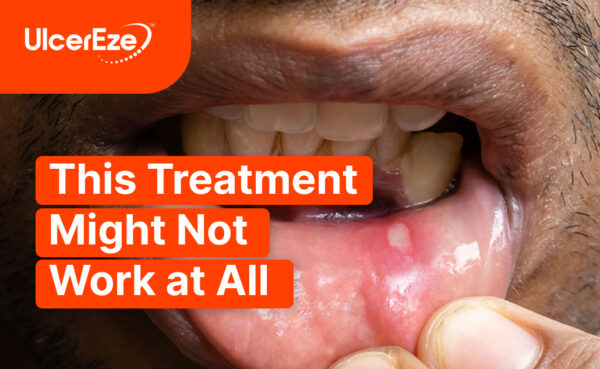
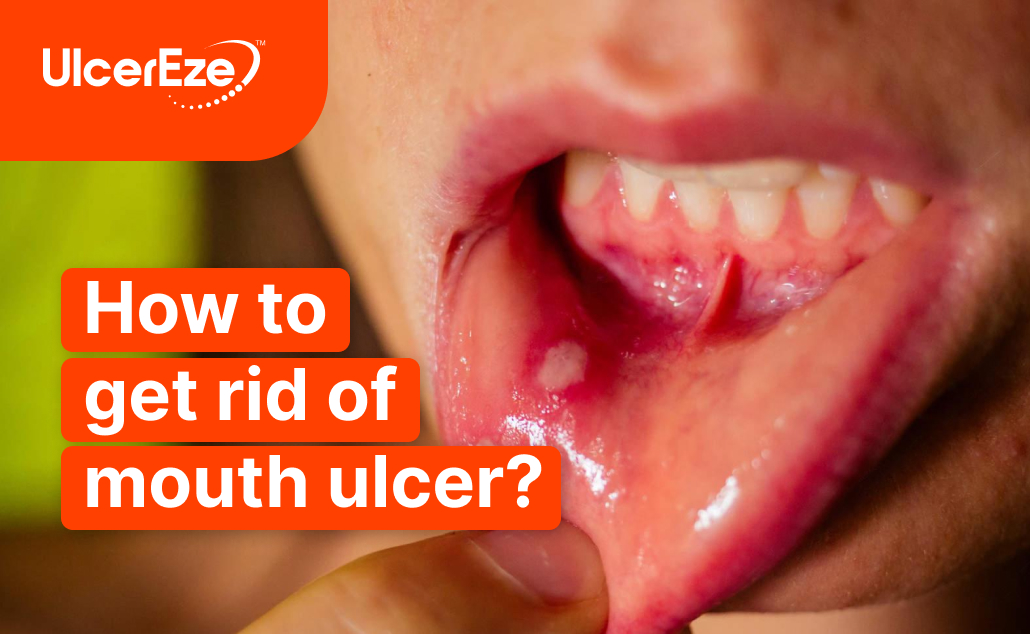
A mouth ulcer is a small, shallow sore that develops on the soft tissue inside the mouth. Common areas include the inner cheeks, lips, tongue, and gums. The centre of the ulcer is often white or yellow, surrounded by a red, inflamed border. Although mouth ulcers are not contagious, they are very sensitive.
The pain occurs because the ulcer exposes nerve endings beneath the surface layer of the mouth. This makes the area react strongly to heat, acidity, salt, and friction. Even normal saliva movement can irritate the sore, which is why discomfort can feel constant throughout the day.
Most mouth ulcers heal within one to two weeks. However, during that time, the goal is to reduce irritation and create an environment that allows the tissue to recover comfortably.
Common reasons mouth ulcers appear
Understanding what triggers ulcers helps you manage them more effectively.
Accidental injury is one of the most common causes. Biting the cheeks, over-brushing, or discomfort caused by dental braces or dentures can lead to damage to the tissues in the mouth. Sharp foods like crisps or crusty bread can also cause minor injuries that lead to canker sores.
Stress and fatigue play a major role. When the body is run down, the immune system becomes less efficient at repairing tissue. Many people notice ulcers appearing during periods of high stress or poor sleep.
Food triggers are another factor. Acidic foods, spicy meals, coffee, chocolate, and citrus fruits can irritate sensitive mouths and slow healing.
Vitamin and nutritional deficiency, in particular about iron, vitamin B12, folate, and zinc, may increase the likelihood of recurrence. Such elements are necessary for the healing of tissues and the maintenance of immune health.
Also, most of the ulcers are due to hormonal changes and other latent diseases.
How can I get rid of a mouth ulcer quickly and safely
If the presence of the ulcer can no longer be ignored, the first step is providing comfort as well as avoiding any irritation. A lot of people are concerned about the following: “How can I get rid of a mouth ulcer without worsening the situation even more?”
First off, stop consuming stinging food such as spicy, acidic, and crunchy food types. Instead, select softer, cooler food types to help soothe the sore. You are also recommended to wash the mouth with a salty warm water to promote cleanliness in the area daily.
The best sort of toothbrush to use is one with soft bristles, and one needs to be gentle, especially when the ulcer is present. Additional assistance is obtained by staying well hydrated, as moisture promotes the healing of the sore itself.
Yet if you are still wondering the question “how can I get rid of a mouth ulcer whilst eating normally?”, then the importance of protecting should be equal to that of soothing treatments.
Home remedies that may help ease discomfort
Some natural remedies can provide temporary relief. Honey is known to have antibacterial qualities, and it also soothes the surface of the ulcer. Aloe vera gel may also have an anti-inflammatory effect, as well as soothing the irritation. Ice chips may also have a numbing effect, providing temporary pain relief.
Although these methods may provide temporary pain relief, they do not prevent the ulcer from rubbing against other objects such as teeth or food. A protective solution is sometimes necessary to provide relief.
Why protection matters when treating a mouth ulcer
One of the main reasons ulcers remain painful is constant contact. Every time you eat, speak, or swallow, the sore is exposed to friction and irritation. This slows healing and increases discomfort.
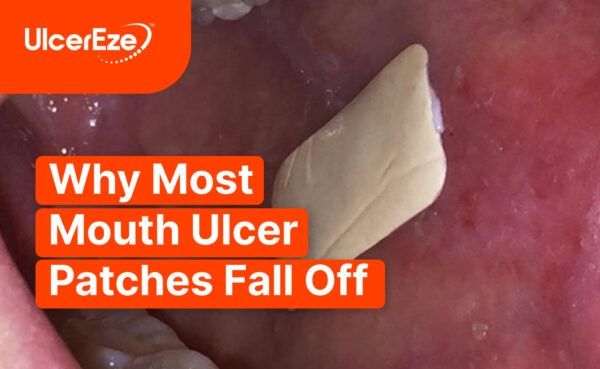
Using a mouth ulcer patch creates a physical barrier over the ulcer. This reduces direct contact with food, saliva, and teeth, helping the area stay calm and protected throughout the day.
How a mouth ulcer patch works
A mouth ulcer patch adheres directly to the sore, forming a cushion-like layer that shields it from irritation. Once in place, it stays put while you eat, drink, or speak, making daily activities far more comfortable.
Products like the UlcerEze patch from UlcerEze are designed to be discreet and easy to use. The patch supports natural healing by reducing friction rather than masking pain.
Many people find that applying a mouth ulcer patch before meals makes a noticeable difference, especially during the first few days when the ulcer is most sensitive.
How to use a mouth ulcer patch correctly
Before applying a patch, gently rinse your mouth and swallow to reduce excess moisture. Pat the area around the ulcer dry with a clean tissue. Place the patch directly over the sore and press lightly for a few seconds until it adheres.
Once applied, try not to move your tongue over the area for a short time. You can eat and drink as normal, although softer foods are still recommended. Replace the mouth ulcer patch if it loosens or after meals if needed.
How to stop mouth ulcers from coming back
Prevention is key for long term comfort. Maintain a balanced diet rich in essential vitamins and minerals. Manage stress with regular exercise, stretching, or relaxation techniques. Stay hydrated and avoid foods that consistently trigger irritation.
Good oral hygiene also matters. Use a soft toothbrush, avoid aggressive brushing, and consider toothpaste without harsh foaming agents if you are prone to ulcers.
By addressing these factors, you reduce the likelihood of future flare ups and improve overall oral health.
When you should see a doctor or dentist
Most mouth ulcers heal on their own, but professional advice is recommended if an ulcer lasts longer than two weeks, recurs frequently, or is accompanied by symptoms such as fever, fatigue, or swollen glands. Persistent ulcers may indicate an underlying condition that requires investigation.
Key takeaways and next steps
If you are asking how can I get rid of a mouth ulcer, the most effective approach combines gentle care with protection. Reducing irritation, avoiding triggers, and using a mouth ulcer patch can significantly improve comfort while healing takes place. With the right habits and tools, managing mouth ulcers becomes far easier and far less disruptive.