Mouth ulcers and cold sores are often confused, but they have different causes, appear in different places and need different care. Getting the distinction right matters, because one is contagious and one isn’t. In this blog, we’ll break down the differences and explain where UlcerEze patches fit in.
What is a mouth ulcer?
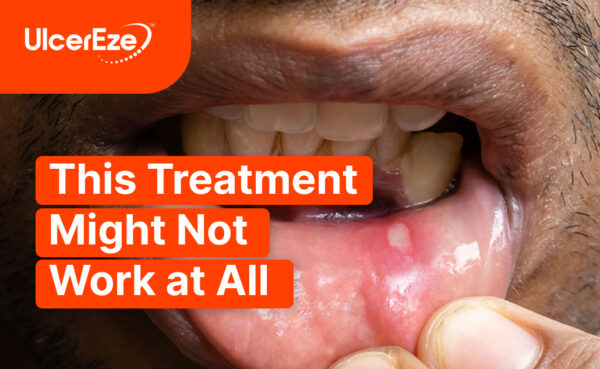
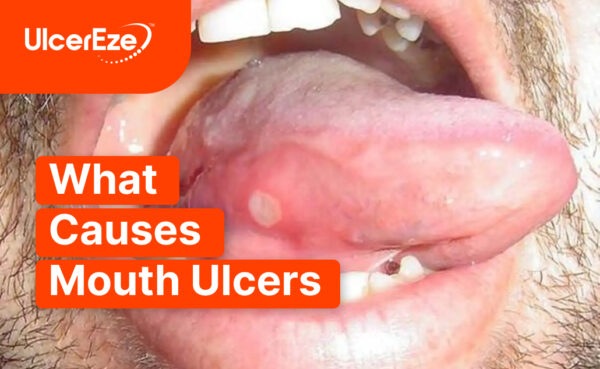
A mouth ulcer, or canker sore, is a shallow sore on the soft lining inside the mouth. It commonly appears on the inner cheeks, lips, tongue or gums, with a white or yellow centre and a red border. Mouth ulcers are not caused by a virus and are not contagious. Most heal within one to two weeks.
What is a cold sore?
A cold sore is caused by the herpes simplex virus. It typically appears on or around the lips, on the skin side rather than the moist lining inside the mouth. Cold sores begin as a cluster of small fluid-filled blisters that burst and crust over. They are contagious, particularly while weeping.
The key differences at a glance
|
Feature
|
Mouth ulcer
|
Cold sore
|
|
Cause
|
Trauma, stress, deficiency, irritation
|
Herpes simplex virus
|
|
Location
|
Inside the mouth, on soft tissue
|
On or around the lips and skin
|
|
Look
|
One round or oval sore, white or yellow
centre, red rim
|
Cluster of blisters, then a crust or
scab
|
|
Warning sign
|
Tingling or burning for up to a day
|
Tingling, itching or throbbing
before blisters
|
|
Contagious
|
No
|
Yes
|
|
Scabbing
|
Never scabs
|
Forms a scab as it heals
|
|
Recurrence
|
Varies in location
|
Often the same spot each time
|
|
Typical
duration
|
1–2 weeks
|
7–10 days
|
Location is the most reliable clue
The single most useful test is where the sore is. Cold sores form on keratinised tissue — the lips and the skin around them, sometimes the hard palate or gums. Mouth ulcers form onthe soft, moveable lining: inner cheeks, inner lips, under the tongue and the floor of the mouth. A sore on the outer lip that scabs is almost certainly a cold sore. A sore inside the cheek that never scabs is almost certainly an ulcer.
Different triggers
Mouth ulcers are commonly triggered by cheek biting, sharp teeth, braces or aligners, stress, hormonal changes, low iron, folate or B12, acidic foods and SLS in toothpaste.
Cold sores are triggered by reactivation of a virus already in the body, often after illness, fever, strong sun exposure, stress or tiredness.
Different treatment
Mouth ulcers are managed by reducing irritation and protecting the sore while it heals. Cold sores are managed with antiviral creams or tablets, which work best when started at the first tingle. Because the approaches differ, treating one as the other tends to waste time.
How UlcerEze can help
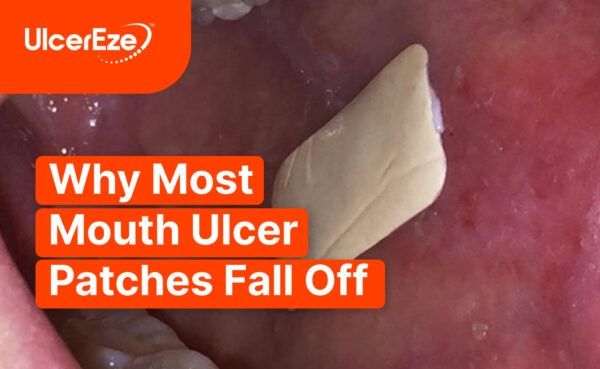
The UlcerEze Mouth Ulcer Patch is designed for ulcers on the soft lining inside the mouth. It sits over the sore and forms a protective barrier, helping to shield it from food, drink and friction while it heals. It is not intended for cold sores on the outer lip, where an antiviral treatment is more appropriate.
When to see a dentist or doctor
Seek advice if:
- A sore hasn’t healed after three weeks
- Cold sores are frequent, severe or spreading toward the eye
- A sore is unusually large, hard or has raised edges
- You have widespread sores with fever or feeling unwell
- You’re unsure which one you’re dealing with
FAQs
Can you get a cold sore inside your mouth?
It’s uncommon in recurrent cases. First infections in children can cause widespread sores inside the mouth alongside fever.
Do mouth ulcers turn into cold sores?
No. They’re entirely separate conditions with different causes.
Are cold sores a sign of poor hygiene?
No. The virus is extremely common, and reactivation isn’t related to cleanliness.This blog is general information only and is not a substitute for advice from a qualified health professional. Never use internet content for self-diagnosis.