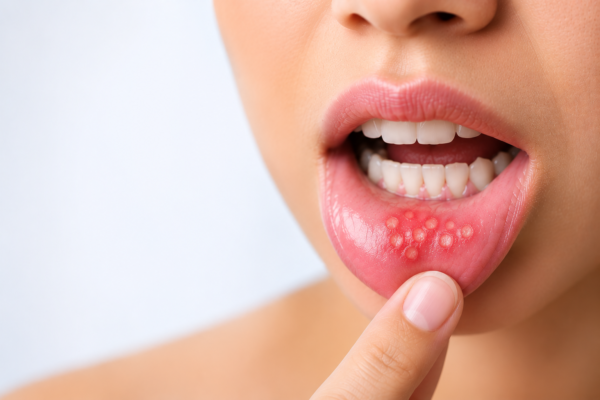


Recurring mouth ulcers can have several causes. One of the easiest things to check first is the toothpaste already sitting in your bathroom cabinet.
If you keep asking, why do I keep getting mouth ulcers?, there may be a more specific answer than simply bad luck.
There are many possible answers to what causes mouth ulcers, and the trigger can be different for everyone. However, three areas are worth looking at when ulcers keep coming back:
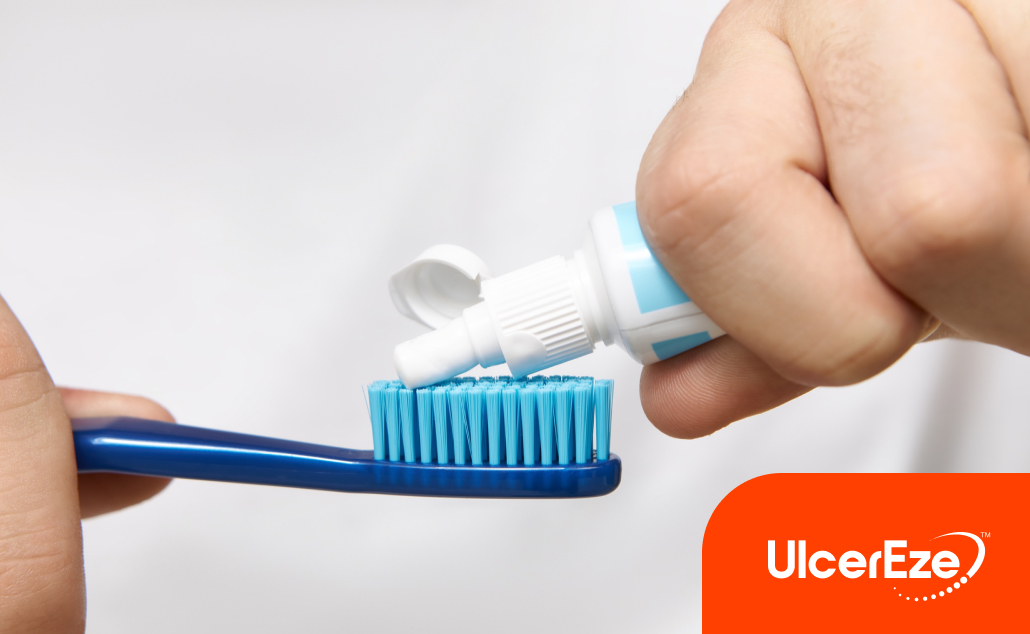
Sodium lauryl sulfate (SLS) is a foaming ingredient found in many mainstream toothpastes.
For some people, SLS may irritate or dry the delicate lining inside the mouth. This is also the tissue where mouth ulcers develop.
Some small clinical studies have found a link between SLS-containing toothpaste and more frequent ulcers in people who are already prone to them. However, the evidence is not conclusive, and dentists continue to debate how significant the effect is.
One simple option is to try an SLS-free toothpaste for six to eight weeks. This gives you enough time to see whether changing toothpaste makes a noticeable difference to how often ulcers appear.
Recurring mouth ulcers can sometimes run in families.
Up to 46 per cent of people with recurring ulcers report having a family history of them. People with a family history may also develop ulcers more frequently or experience more severe symptoms.
Hormones can add another factor.
Some women notice that mouth ulcers become more common around menstruation or menopause. Others experience fewer ulcers during pregnancy or while taking the contraceptive pill.
The reasons for these patterns are not fully understood. However, they are recognised often enough to be worth discussing with a healthcare professional.
Unlike irritation from toothpaste, these factors will not necessarily change after switching products or adjusting your diet. This may explain why some people continue to experience recurring ulcers despite making lifestyle changes.
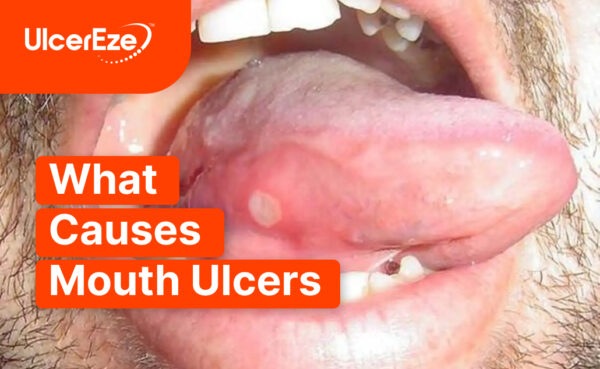
What causes mouth ulcers on the tongue can be slightly different from what causes ulcers on the cheeks or gums.
The tongue contains many nerve endings, which can make even a small ulcer feel particularly painful. It also experiences constant friction from teeth, hot foods and hard or sharp foods while you eat.
A cheek ulcer may result from one obvious bite or irritation.
A tongue ulcer can develop from repeated minor friction over several days. Because of this, it can be harder to identify exactly what caused it.

Children’s mouth ulcers can follow a different pattern from recurring ulcers in adults.
If a child suddenly develops several ulcers, particularly alongside a fever, a viral infection may be the cause. Conditions such as hand, foot and mouth disease or other viral infections can cause multiple mouth sores.
A single ulcer can still be caused by something simple, such as biting the cheek or rubbing against a rough tooth.
However, several ulcers appearing at the same time are worth paying attention to.
If you are wondering what is the reason for mouth ulcer clusters in a child, it is better to speak with a GP than rely only on an online search. A healthcare professional can examine the mouth and help determine whether the ulcers are related to an infection, irritation or another cause.
These potential triggers are not necessarily fixed by using a mouth ulcer patch, and UlcerEze was not designed to treat the underlying cause.
Instead, it can help make the days between identifying the trigger and healing more comfortable.
A patch can help protect an ulcer during meals and everyday activities. However, if ulcers keep returning, it is worth looking at the bigger picture.
Changing toothpaste, speaking with a GP or simply monitoring the pattern may help identify what is triggering your ulcers.
The goal is not just to get through the next meal. It is to understand why the ulcers keep coming back in the first place.