A mouth ulcer can turn a normally easy-going child into someone who won’t eat, won’t brush and won’t be talked round. The good news is that most childhood ulcers are harmless and settle within a week or two. In this blog, we’ll cover what’s suitable for kids, what to avoid and how UlcerEze patches can help.
What is a mouth ulcer?
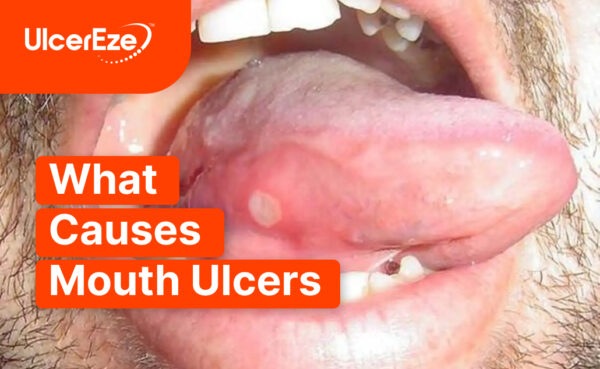
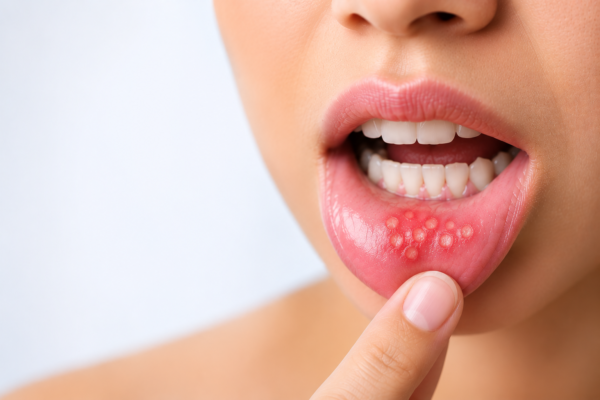
A mouth ulcer is a shallow sore on the soft lining of the mouth, usually on the inner cheeks, lips, tongue or gums, with a white or yellow centre and a red border. Ulcers aren’t contagious, and most heal within one to two weeks.
Why children get them
- Biting the cheek or lip, or falls and knocks to the mouth
- Sharp foods like chips and crusty bread
- Braces, plates and other orthodontic appliances
- Being run-down, unwell or short on sleep
- Stress, including school and exam periods
- Low iron, folate or B12, particularly in fussy eaters
- Toothbrush trauma from brushing too vigorously
First, work out what you’re looking at
Not every sore in a child’s mouth is a simple ulcer. Get a professional opinion if there are multiple sores with fever, a rash on the hands and feet, blisters around the lips, or a child who is refusing all fluids. Hand, foot and mouth disease and other viral illnesses are common in young children and are managed differently.
What helps at home Comfort measures
- Cool, soft, bland foods: yoghurt, custard, smoothies, mashed potato, scrambled eggs, ice blocks
- Cold water or milk rather than juice or cordial
- A straw for drinks so liquid bypasses the sore
- Avoid citrus, tomato, chips, crusty bread, salty snacks and anything spicy
- Warm saltwater rinses for children old enough to rinse and spit reliably
Keep brushing
Brushing is uncomfortable but shouldn’t stop. Use a soft-bristled brush, go gently around the sore, and consider an SLS-free children’s toothpaste if ulcers keep recurring.
Pain relief
Speak to your pharmacist or GP before using any medicated gel or mouthwash on a child. Many adult ulcer products aren’t suitable for young children, and some numbing gels have age restrictions. Age-appropriate paracetamol or ibuprofen may be suggested for a genuinely distressed child — follow the label and your pharmacist’s advice.
How UlcerEze can help
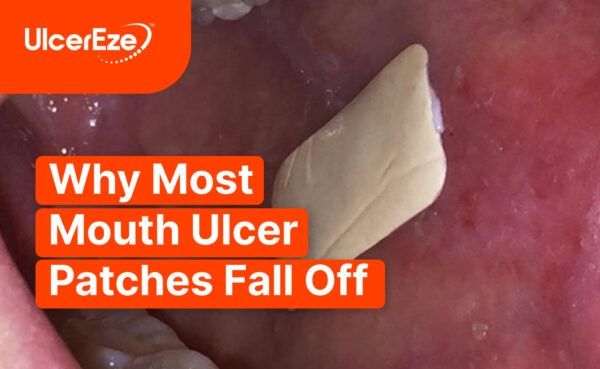
UlcerEze is suitable for children over the age of 3, with adult supervision recommended during application. The patch sits over the ulcer and forms a protective barrier, helping to shield the sore from food, drink and movement — which is often the main issue for a childwho’s stopped eating. It doesn’t contain active ingredients, so it works physically rather than pharmacologically. To apply: make sure the ulcer area is moist, and your finger is dry, place the patch over the sore and hold it for five to twenty seconds, then avoid eating or drinking for about thirty minutes.
Preventing repeat ulcers in kids
- Have your dentist check for sharp teeth, fillings or appliance edges
- Encourage gentler brushing with a soft brush
- Keep an eye on iron-rich foods if your child is a fussy eater, and raise it with your GP if ulcers are frequent
- Watch for a pattern around exams, illness or growth spurts
When to see a dentist or doctor
Seek advice if your child:
- Has an ulcer that hasn’t healed after three weeks
- Won’t drink and shows signs of dehydration
- Has a fever, rash or seems generally unwell
- Has many ulcers at once, or gets them constantly
- Has an ulcer that is unusually large or bleeding
- Is losing weight or seems persistently tired
FAQs
What age can children use ulcer patches?
UlcerEze is suitable for children over 3, with adult supervision during application.
Can I give my child an adult ulcer gel?
Check with your pharmacist first. Many contain active ingredients with age restrictions.
My child won’t eat because of an ulcer — what should I do?
Focus on cool, soft, bland food and fluids. If they’re refusing fluids altogether or showing signs of dehydration, see a doctor. This blog is general information only and is not a substitute for advice from a qualified health professional. Always consult your GP or pharmacist before using any product on a child.