
Mouth ulcers are small sores that can make everyday things like eating, drinking, and talking uncomfortable. When they keep coming back, they can be even more frustrating.
Understanding what causes mouth ulcers is the first step to managing them and reducing how often they appear.

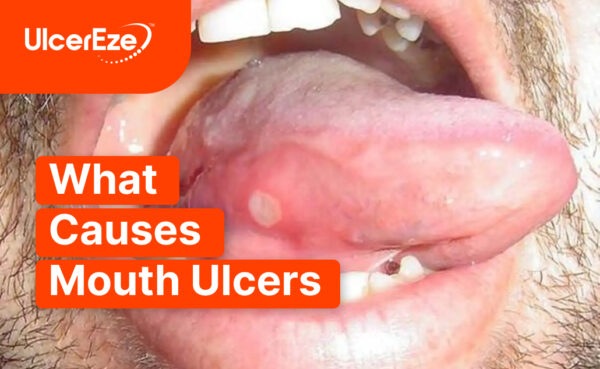
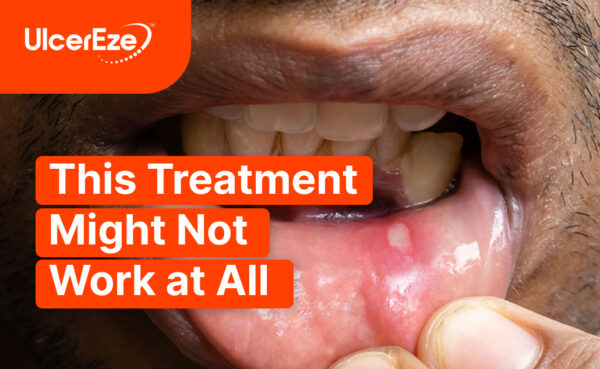
Mouth ulcers, also known as canker sores, are shallow sores that form inside the mouth. They usually appear on the cheeks, lips, tongue, or gums.
They often have a white or yellow centre with a red border. While not contagious, they can be sensitive and uncomfortable.
Most ulcers heal within 1 to 2 weeks.
Ulcers usually develop when the lining of the mouth becomes irritated or damaged. For many people, it’s a combination of factors rather than a single cause.
Minor Injury
Biting your cheek, brushing too hard, or irritation from braces or dentures.
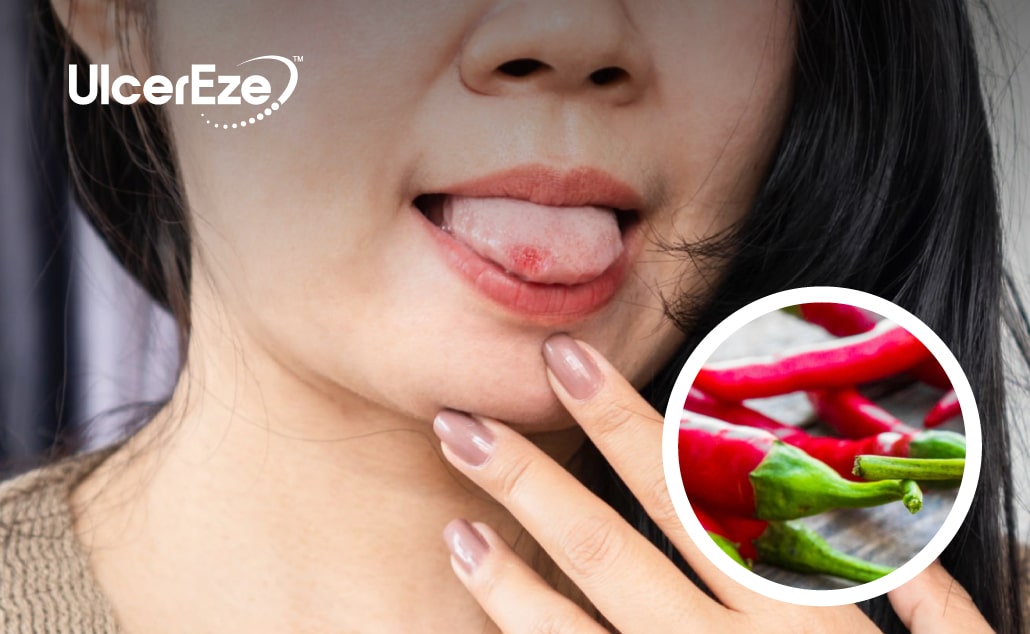
Food Triggers
Spicy, acidic, or rough foods can irritate the mouth and slow healing.
Stress and Fatigue
Stress can weaken the body’s ability to repair tissue, making ulcers more likely.
Nutritional Deficiencies
Low levels of vitamin B12, iron, folate, or zinc may increase recurrence.
Hormonal Changes
Some people experience ulcers during hormonal fluctuations.
Underlying Conditions
Less commonly, recurring ulcers may be linked to conditions such as coeliac disease or Crohn’s disease.
Recurring ulcers are often linked to ongoing triggers such as stress, diet, or nutrient deficiencies. Some people are also more prone due to genetics or having more sensitive oral tissue.
Identifying your triggers can help reduce how often they appear.

While ulcers can’t be removed instantly, you can reduce discomfort and support healing:
Simple changes like these can make a noticeable difference.
Some home remedies may help soothe the area:
These can ease discomfort but won’t stop the ulcer from being irritated during daily activities.
Ulcers often stay painful because of constant contact with food, teeth, and normal mouth movement. This can slow healing and increase irritation.
Protecting the area helps reduce this friction.
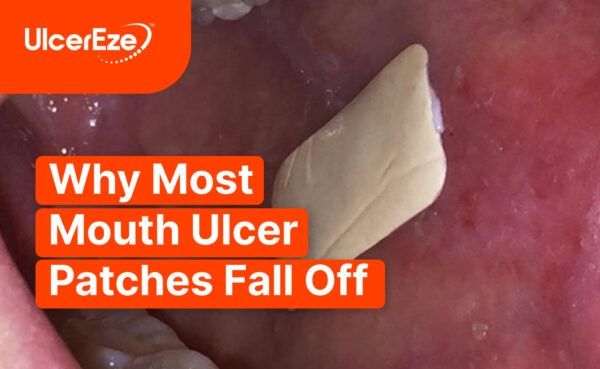
A mouth ulcer patch sits over the sore, creating a protective layer.
This helps:
Patches like UlcerEze are designed to stay in place and provide consistent protection throughout the day.
Small adjustments can help reduce how often ulcers occur.
Most ulcers heal on their own, but seek professional advice if:
Mouth ulcers are common, but understanding what causes them makes them easier to manage.
Simple care, avoiding triggers, and protecting the area can improve comfort and support healing. With the right approach, you can reduce both the impact and frequency of mouth ulcers.