The overwhelming majority of mouth ulcers are harmless, painful and gone within a fortnight. But because a sore that doesn’t heal is one of the recognised early signs of oral cancer, it’s worth knowing what distinguishes an ordinary ulcer from something that needs assessing. In this blog, we’ll set out the differences clearly — and the one rule that matters most.
The single most important point:
any sore in the mouth that hasn’t healed after three weeks should be examined by a dentist or doctor, regardless of how it looks or feels. This article is not a diagnostic tool, and nothing here replaces an in-person examination.
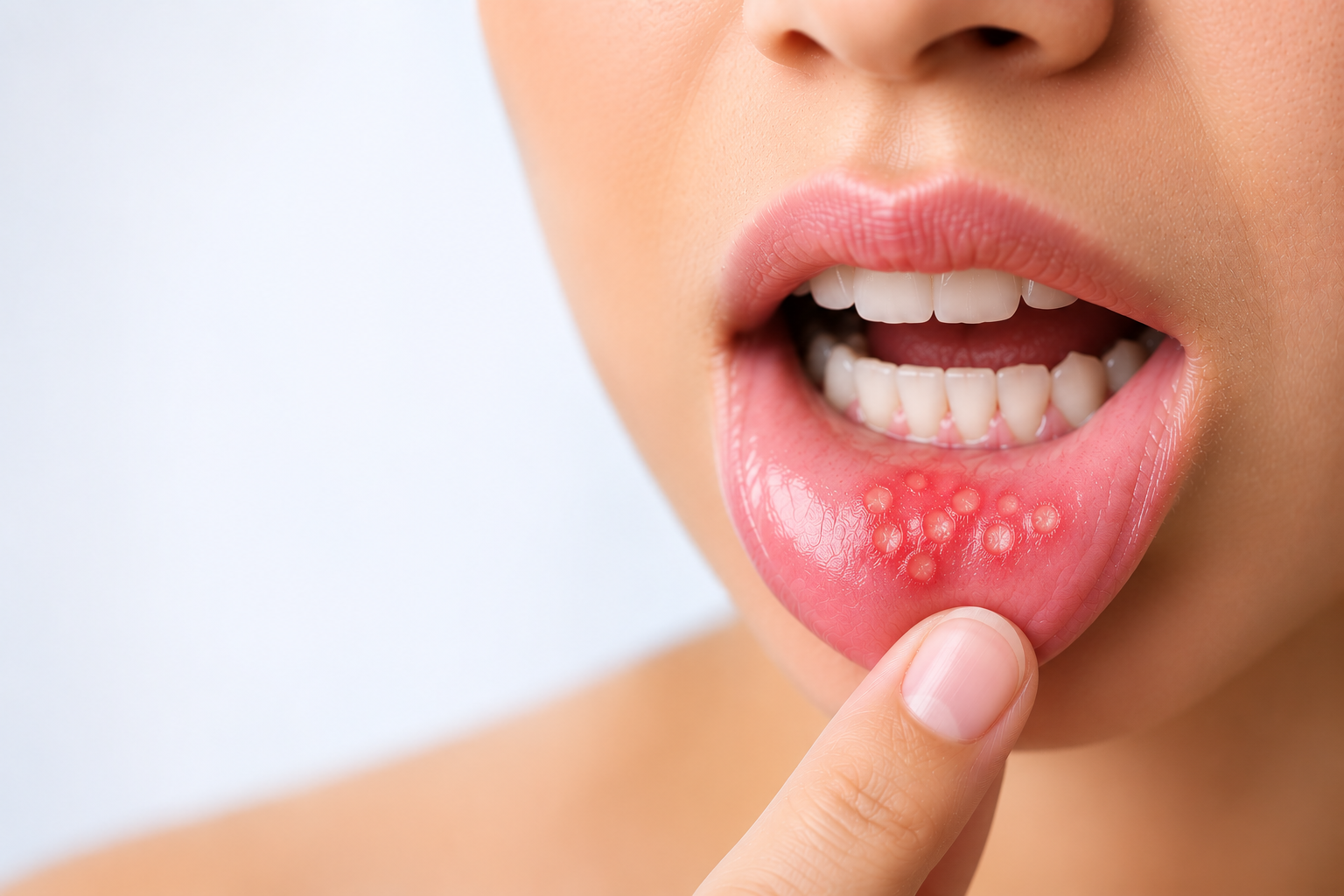
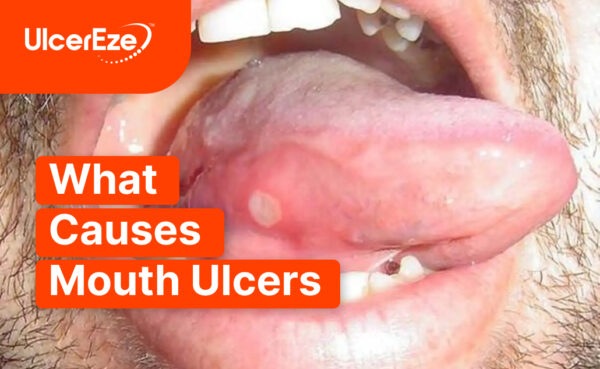
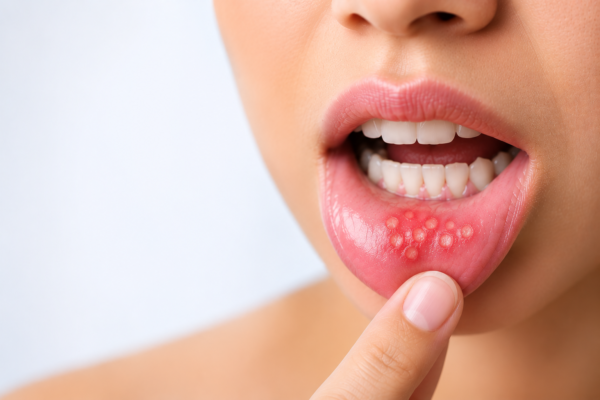
What a common mouth ulcer looks like
- Round or oval, usually under 1cm
- White, yellow or grey centre with a red border
- Painful, often disproportionately so
- Appears on the soft, moveable lining: inner cheeks, inner lips, tongue, floor of the mouth
- Often follows an obvious trigger such as biting your cheek, stress or a new brace
- Heals within one to two weeks, leaving no mark
- Soft to touch
Features that should be checked
| Feature |
Common ulcer |
Warrants assessment |
| Duration |
Heals in 1–2 weeks |
Present beyond 3 weeks |
| Pain |
Usually, painful |
Often painless, especially early |
|
Edges
|
Flat, defined
|
Raised, rolled, hard or irregular
|
|
Texture
|
Soft
|
Firm, thickened or lumpy
|
|
Bleeding
|
Only if knocked
|
Bleeds easily on its own
|
|
Surrounding tissue
|
Normal
|
Red or white patch that won’t rub off
|
|
Other signs
|
None
|
Neck lump, numbness, loose teeth, difficulty swallowing
|
Additional things to mention to a professional: a persistent sore throat or hoarse voice, unexplained weight loss, numbness in the lip or tongue, or a change in how dentures fit.
Risk factors worth knowing
Oral cancer is uncommon, and the risk is not the same for everyone. Recognised risk factors
include:
- Smoking and other tobacco use, including chewing tobacco
- Heavy alcohol use, particularly combined with smoking
- Betel quid or areca nut chewing
- HPV infection
- Significant sun exposure, for lip cancers
- Age over 45, though it can occur at a younger age
Having a risk factor doesn’t mean you have anything wrong. Not having one doesn’t mean a persistent sore should be ignored.
Why the three-week rule exists
It’s deliberately simple, because appearance alone isn’t reliable — early changes can look unremarkable, and plenty of harmless ulcers look dramatic. Time is the more useful signal. Three weeks is long enough that a common ulcer would have healed, and short enough that anything else is caught early. Assessment is usually quick: a look, a history, and if needed a straightforward biopsy. Don’t wait for pain. Some concerning sores are painless, which is exactly why people delay.
Regular dental check-ups matter
Dentists routinely check the soft tissues of the mouth, including under the tongue and inside the cheeks, during a normal examination. Keeping up six-monthly or annual visits is one of the simplest things you can do.
How UlcerEze can help
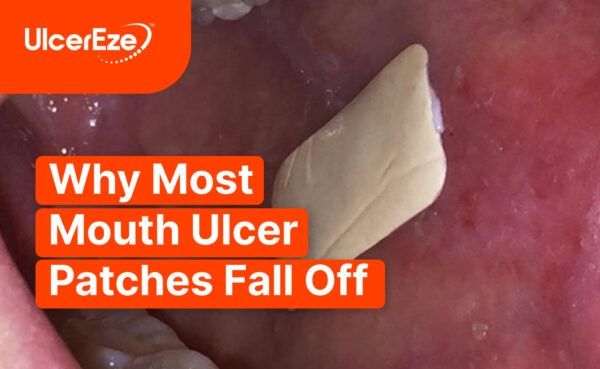
The UlcerEze Mouth Ulcer Patch is designed to protect and relieve common mouth ulcers by forming a barrier over the sore. It is a comfort product and does nothing to diagnose or rule out anything else. If a sore has been present for more than three weeks, book an appointment — don’t manage it at home indefinitely.
When to see a dentist or doctor
Make an appointment if:
- Any sore has lasted more than three weeks
- A sore is painless but persistent
- There’s a red or white patch that won’t rub off
- Edges are raised, hard or irregular
- You lump the neck, numbness or trouble swallowing
- You smoke or drink heavily and have any persistent change in your mouth
FAQs
Are mouth ulcers a sign of cancer?
Rarely. Ordinary ulcers are extremely common and oral cancer is not. The distinguishing factor is a sore that doesn’t heal.
Does a painful ulcer mean it’s harmless?
Pain is reassuring but not conclusive. Duration is the more reliable guide.
What happens at an assessment?
A dentist or doctor examines the sore and surrounding tissue and takes a history. If there’s any uncertainty, they may refer you or take a small tissue sample. It’s a quick, routine process. This blog is general information only and is not a substitute for advice from a qualified health professional. Never use internet content for self-diagnosis. Any mouth sore lasting longer than three weeks should be examined in person.