Most mouth ulcers heal within one to two weeks. When one is still there after three weeks, it stops being a waiting game and becomes something to have looked at. In this blog, we’ll explain what makes an ulcer persist, what a professional will check and how UlcerEze patches can help with comfort in the meantime.
What counts as persistent?
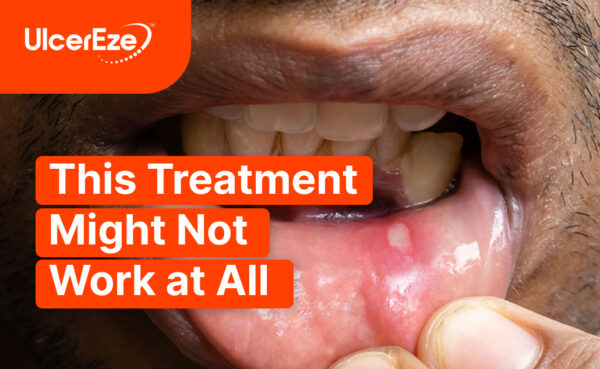
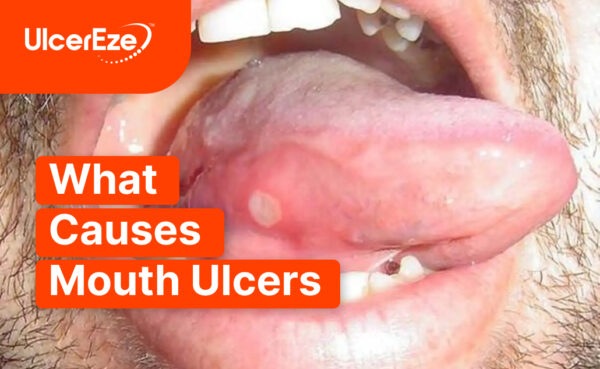
A persistent mouth ulcer has not healed after about three weeks. That’s different from recurrent ulcers, where sores keep appearing and healing in a repeating cycle. Both are worth discussing with a professional, but a single sore that simply won’t close is the one that warrants a prompt appointment.
Why an ulcer might not heal Ongoing trauma
By far the most common reason. If something keeps rubbing the same spot — a sharp tooth, a fractured filling, a denture edge, a braces bracket or an aligner rim — the tissue never gets a chance to close. Fixing the cause usually resolves the ulcer quickly.
Nutritional deficiency
Low iron, folate, vitamin B12 or zinc can slow healing. A blood test through your GP is straightforward.
Underlying conditions
Coeliac disease, Crohn’s disease and ulcerative colitis, some immune conditions and Behçet’s disease can all present with stubborn or repeated mouth ulcers.
Medications
Some medications, including certain anti-inflammatories, blood pressure medications and treatments that affect the immune system, are associated with slow-healing mouth ulceration. Never stop a prescribed medication without speaking to your prescriber.
Infection
A secondary infection in the ulcer can delay healing, and some viral and fungal conditions produce sores that persist.
Smoking and heavy alcohol use
Both impair healing of the mouth lining and are also risk factors that make professional assessment more important.
Something other than a common ulcer
Rarely, a sore that doesn’t heal is not an aphthous ulcer at all. This is precisely why the three-week rule exists — not to alarm, but because early assessment is simple and worthwhile.
What a dentist or doctor will do
They’ll take a history, look at the sore and the surrounding tissue, and check for an obvious source of trauma. They may arrange blood tests, adjust a sharp tooth or appliance, or refer you for a specialist opinion. If a sore has been present for more than three weeks with no clear cause, a biopsy may be recommended, which is a routine and quick procedure.
Signs to act on promptly
- An ulcer present for more than three weeks
- A hard sore, raised, or has rolled or irregular edges
- Red or white patches in the mouth that don’t rub off
- A sore that bleeds easily without being knocked
- Numbness, difficulty swallowing, or a persistent lump in the neck
- Unexplained weight loss or ongoing fatigue
- A painless sore that has been there for weeks
Managing discomfort while you wait
- Rinse with warm salt water two or three times a day
- Soft, cool, bland foods; avoid spicy, acidic, salty and crunchy items
- Brush gently with a soft-bristled brush
- Trial an SLS-free toothpaste
- Ask your dentist to smooth any sharp edge that’s aggravating the sore
How UlcerEze can help
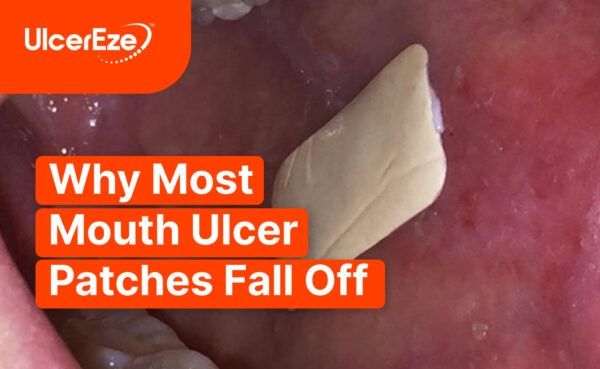
The UlcerEze Mouth Ulcer Patch sits over the ulcer and forms a protective barrier, helping to shield it from food, drink and friction. It’s a comfort measure, not a diagnosis — if a sore hasn’t healed after three weeks, use the patch for relief but still book the appointment.
FAQs
How long is too long for a mouth ulcer?
Three weeks is the standard threshold for getting a sore assessed.
Should I be worried about a persistent ulcer?
Most turn out to be caused by ongoing trauma or a treatable deficiency. Getting it checked is quick, and early assessment is always the right move.
Can a persistent ulcer heal on its own?
It often will once the cause is removed — but identifying the cause is the part that needs a professional. This blog is general information only and is not a substitute for advice from a qualified health professional. Any mouth ulcer lasting longer than three weeks should be assessed by a dentist or doctor.