Mouth ulcers are a common and frustrating part of pregnancy for many people, and the usual first instinct — reach for whatever’s in the bathroom cupboard — suddenly needs more thought. In this blog, we’ll look at why ulcers become more frequent during pregnancy, gentle ways to manage them, and how UlcerEze patches fit in.
What is a mouth ulcer?
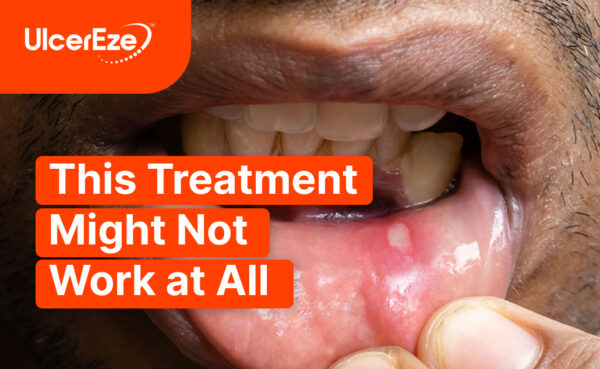
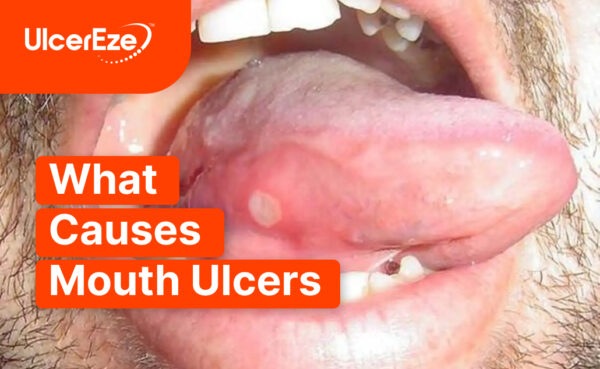
A mouth ulcer is a shallow sore on the soft lining of the mouth, usually on the inner cheeks, lips, tongue or gums. It typically has a white or yellow centre with a red border, isn’t contagious, and heals within one to two weeks.
Why mouth ulcers are more common in pregnancy Hormonal changes
Shifting oestrogen and progesterone levels affect the tissues of the mouth, increasing blood flow to the gums and altering how the lining responds to minor irritation.
Changes in immune function
Normal immune adaptations during pregnancy can influence how readily ulcers form and how quickly they settle.
Nutritional demands
Iron, folate and vitamin B12 requirements all rise. Lower levels of any of these are associated with more frequent mouth ulcers.
Morning sickness
Repeated vomiting exposes the mouth to stomach acid, which irritates the lining and softens tooth enamel. Rinsing with water and waiting before brushing helps protect both.
Diet changes
Cravings, aversions and grazing patterns can shift intake toward acidic, salty or sugary foods that irritate the mouth lining.
Tiredness and stress
Disrupted sleep and the general load of pregnancy are both commonly reported ulcer triggers.
Gentle ways to manage ulcers in pregnancy
- Rinse with warm salt water, which is simple and non-medicated
- Eat soft, bland, cool foods while the ulcer is painful
- Avoid citrus, tomato, vinegar, chilli and crunchy foods
- Use a soft-bristled toothbrush and brush gently
- Try an SLS-free toothpaste if ulcers keep returning
- After vomiting, rinse with water and wait around thirty minutes before brushing
- Stay hydrated
- Talk to your GP, midwife or pharmacist before using any medicated gel, mouthwash or supplement
Don’t skip your dental check-up
Dental care during pregnancy is important and generally safe. Gums are more prone to inflammation and bleeding during pregnancy, so a check-up and clean is worth booking. Let your dentist know you’re pregnant and how far along you are.
How UlcerEze can help
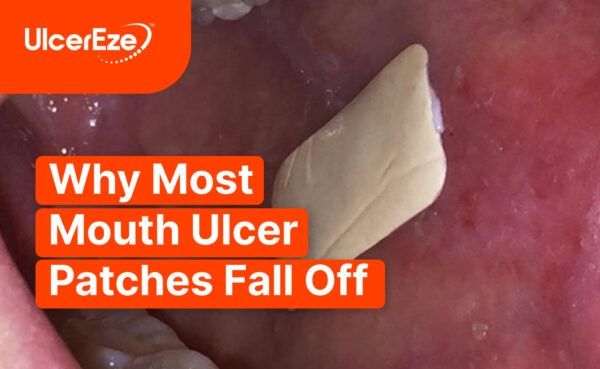
UlcerEze does not contain active ingredients and may be suitable during pregnancy and breastfeeding. The patch works physically rather than pharmacologically: it sits over the ulcer and forms a protective barrier, helping to shield the sore from food, drink and friction while it heals. As with anything during pregnancy, check with your GP, midwife or pharmacist if you have any concerns.
When to see a dentist or doctor
Seek advice if:
- An ulcer lasts more than three weeks
- You have many ulcers at once, or they keep recurring
- Your gums are bleeding heavily, or a lump has appeared on the gum
- You feel persistently exhausted, breathless or unwell, which may warrant checking iron levels
- You’re unsure whether a product is suitable during pregnancy
FAQs
Are mouth ulcers a sign of pregnancy?
They’re not a reliable early sign. Hormonal changes can make them more frequent, but plenty of other things cause ulcers too.
Can I use medicated ulcer gels while pregnant?
Check with your pharmacist, GP or midwife first. Many contain active ingredients that need individual advice.
Will they stop after birth?
Many people find frequency returns to normal once hormone levels settle, though the early months with a newborn bring their own tiredness. This blog is general information only and is not a substitute for advice from a qualified health professional. Always consult your GP, midwife or pharmacist before using any product during pregnancy.