

Twenty genuinely useful ways to ease a mouth ulcer, from the ice-chip trick that works in under a minute to the everyday habits that stop the next one starting. None of them cure a canker sore overnight, because nothing does, but they make the seven to fourteen days a lot easier to sit through.
Twenty different remedies for the same small sore sounds excessive, until you actually have one and realise no single trick works the same way twice. Some ease the sting in under a minute. Others quietly support the healing happening underneath. Knowing which is which is the difference between a list that helps and a list that just sounds accurate.
Knowing how to treat mouth sores properly starts with separating comfort from cure. If the real question is how do I cure mouth ulcers, the honest answer is that nothing skips the healing window entirely, it typically runs seven to fourteen days no matter what touches it. What the twenty methods below actually do is take the edge off the pain, protect the ulcer from being reopened over and over again, and in a few cases, genuinely support the tissue while it repairs.
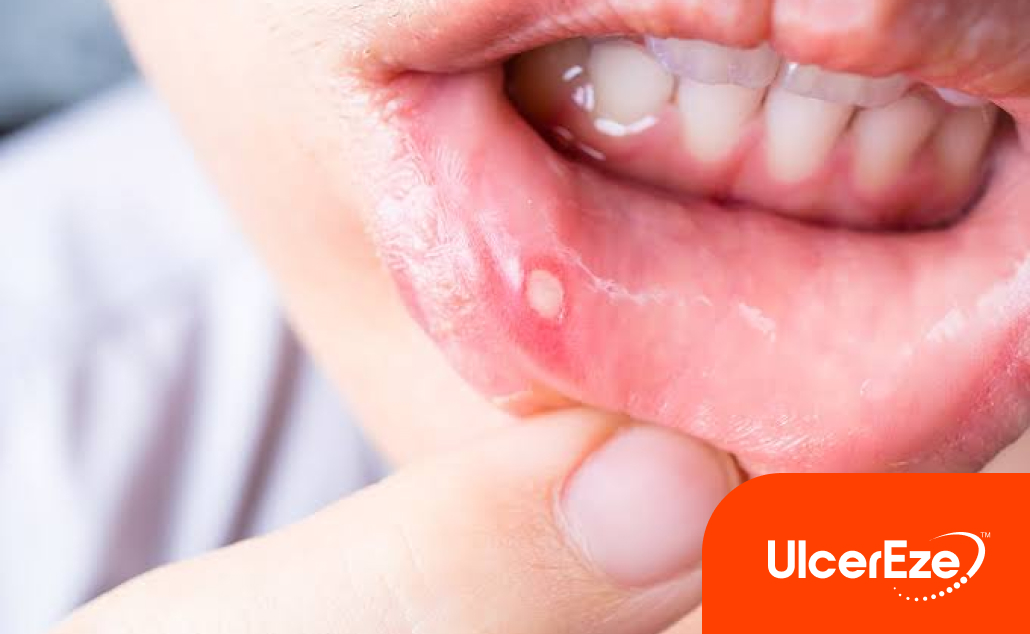
Fast Relief for the Pain
- Ice it down. Hold a small ice chip against the ulcer, or let it dissolve slowly nearby, for numbing through a simple cold within a minute or two, no other ingredients required.
- Dab on milk of magnesia. Its alkaline nature neutralises the acidity in saliva that keeps an exposed ulcer stinging, while leaving a thin protective coating behind.
- Try an over-the-counter numbing gel. A benzocaine-based gel dulls the pain on contact, though it rarely lasts past the next sip of water or bite of food.
- Rinse with cool water after eating. Clearing away food parti cles and acid straight after a meal stops a sting turning into a longer ache.
- Skip anything acidic, spicy or very hot. Removing the source of ongoing irritation is often more useful than adding another remedy on top of it.
Managing Mouth Ulcers Naturally at Home
- Rinse with warm salt water. A teaspoon of salt in warm water, swished for thirty seconds a few times a day, disinfects the area and draws down inflammation.
- Apply raw honey directly. It carries genuine antibacterial and anti-inflammatory properties and can measurably support tissue repair, not just mask the sting.
- Dab on a little coconut oil. Its antimicrobial, anti-inflammatory properties help calm the area and keep it moist while it heals.
- Try a baking soda paste. Mixed with a little water and applied directly, it helps neutralise the acids that keep an ulcer irritated.
- Hold a cooled chamomile tea bag against it. Chamomile’s mild antibacterial and soothing properties make it a gentle option for a tender spot.
- Dab on a drop of diluted clove oil. It has long been used for its natural numbing effect on sore gum and cheek tissue.
Everyday Habits That Help It Heal Faster
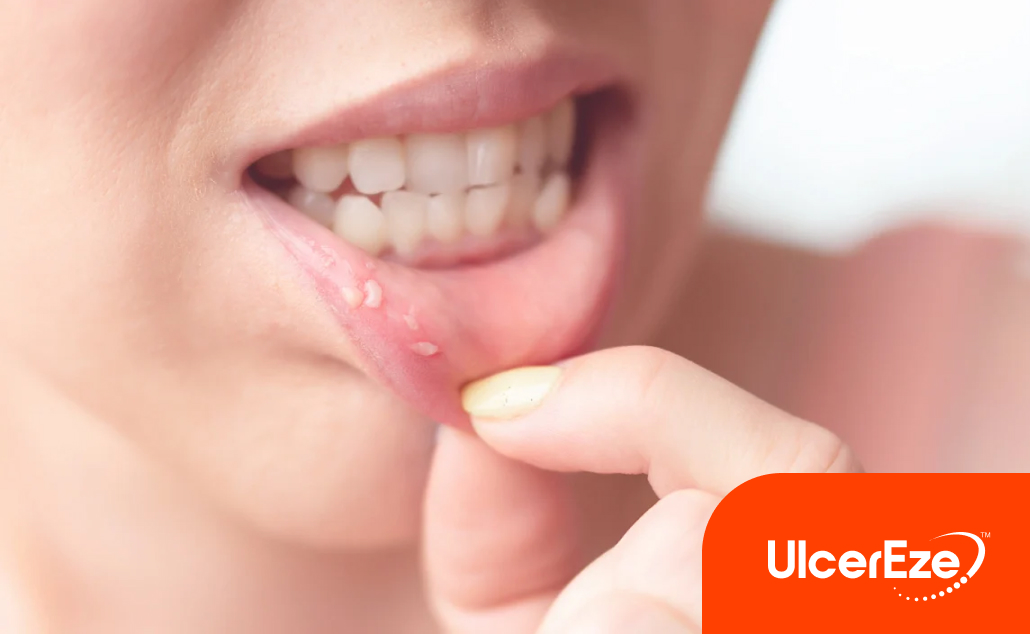
- Switch to an SLS-free toothpaste. Sodium lauryl sulphate is a recognised trigger for some people, and swapping it out can reduce how often ulcers show up at all.
- Use a soft-bristled toothbrush while it heals. Less friction near the sore means fewer accidental knocks resetting the healing process.
- Always stay hydrated. A dry mouth produces less protective saliva, which can leave an ulcer more exposed to irritation through the day.
- Check iron, B12 and folate levels. Nutritional gaps are a recognised contributor worth ruling in or out with a GP.
- Monitor your stress levels. Stress is a well-documented trigger, and managing it is as much a part of prevention as anything applied directly to the sore.

Products Worth Keeping in the Cupboard
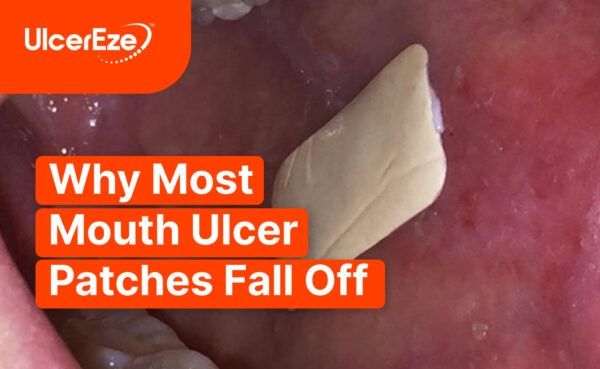
- Keep a soluble ulcer patch on hand. Unlike a rinse or a gel, a patch bonds to the ulcer on contact with saliva and stays in place while eating, talking or sleeping.
- Reach for UlcerEze specifically. It is TGA-approved after two clinical trials, one for pain relief and one for measurable healing, and was developed by two Melbourne pharmacists after existing options fell short. Made with naturally sourced silicon, calcium and phosphorus, it contains no steroids, numbing agents or preservatives, and is suitable for adults and children over three. Applying it around half an hour before a meal gives it the best chance to protect the ulcer through eating, with each patch covering up to eight hours.
- Stop self medicating. If a sore has not improved within seven days, comes with swelling, rash or fever, or keeps recurring more than three or four times a year, it is worth seeing a dentist or GP rather than continuing to manage it alone.
- Keep the basics stocked before you need them. Salt, honey and a patch in the cupboard mean relief starts within minutes of a sore appearing, rather than after a search for what actually works.
None of this beats biology, and anyone promising otherwise is selling a feeling rather than a result. What these twenty methods actually do is control the pain, protect the healing tissue, and shorten how much of those two weeks is spent gritting your teeth through a meal. Start with whichever one is already within reach, and keep the rest for next time, because there usually is a next time.