It’s a fair question to ask before sharing a drink, kissing your partner or sending a child to school. The short answer is no, common mouth ulcers are not contagious. The confusion usually comes from cold sores, which look similar to some people but are a completely different thing. In this blog, we’ll explain the difference and how UlcerEze patches can help while an ulcer heals.
What is a mouth ulcer?
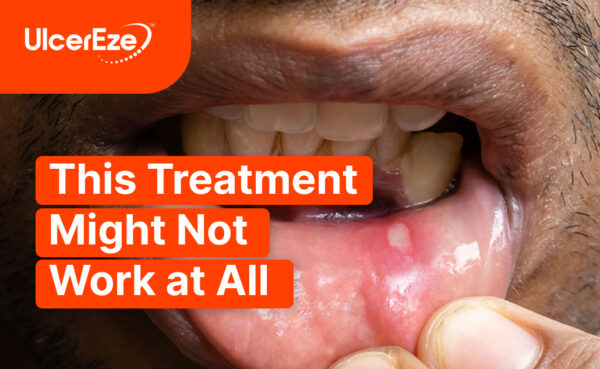
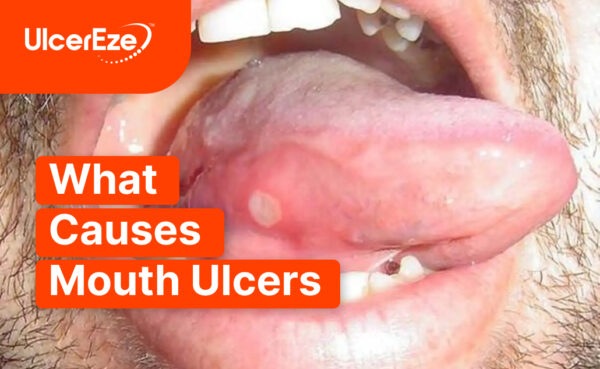
A mouth ulcer, also called a canker sore or aphthous ulcer, is a shallow sore on the soft lining of the mouth. It usually appears on the inner cheeks, lips, tongue or gums, with a white or yellow centre and a red border. Most heal within one to two weeks.
Why mouth ulcers aren’t contagious
Common mouth ulcers aren’t caused by a virus or bacteria that passes between people. They form when the lining of the mouth breaks down, usually because of:
- Minor injury, such as biting your cheek or catching a sharp tooth
- Friction from braces, aligners or dentures
- Stress and fatigue
- Hormonal changes
- Low iron, folate or vitamin B12
- Certain foods and toothpaste ingredients
- An underlying health condition in some cases
Because there’s no infectious agent involved, you can’t pass an ulcer on by kissing, sharing cutlery or drinking from the same glass. If ulcers seem to run in your family, that’s a genetic tendency rather than transmission.
What is contagious: cold sores
Cold sores are caused by the herpes simplex virus and are contagious. They usually appear on or around the lips rather than inside the mouth, start as a cluster of small blisters, then crust over. They are most infectious while blistering and weeping.
|
|
Mouth ulcer
|
Cold sore
|
|
Cause
|
Not infectious
|
Herpes simplex virus
|
|
Location
|
Inside the mouth
|
On or around the lips
|
|
Appearance
|
Single round sore, white or yellow centre
|
Cluster of blisters that crust
|
|
Contagious
|
No
|
Yes
|
|
Recurs in same spot
|
Varies
|
Often the same spot
|
Other contagious mouth conditions
- Hand, foot and mouth disease — common in young children, causes mouth sores plus a rash on hands and feet, and is contagious
- Oral thrush — a fungal overgrowth, not typically spread between healthy adults, but can pass between a breastfeeding parent and baby
- Herpangina — a viral illness in children causing sores at the back of the mouthIf sores appear alongside fever, rash or a generally unwell child, it’s worth getting a professional opinion.
Caring for a mouth ulcer
- Rinse with warm salt water
- Avoid spicy, acidic, salty and crunchy foods
- Brush gently with a soft-bristled toothbrush
- Consider SLS-free toothpaste if ulcers recur often
- Stay hydrated
How UlcerEze can help
The UlcerEze Mouth Ulcer Patch is designed to sit directly over the ulcer and create a protective barrier. Unlike gels that can wash away quickly, the patch stays in place, helping to shield the sore from food, drink and movement so eating and talking are more comfortable.
When to see a dentist or doctor
Get advice if:
- An ulcer lasts more than three weeks
- Sores appear with fever or a rash
- You have blisters on the lips that keep returning
- A child has multiple sores and won’t eat or drink
- Ulcers are frequent, severe or spreading
FAQs
Can I kiss someone if I have a mouth ulcer?
Yes. Common mouth ulcers aren’t transmissible. If you’re unsure whether it’s an ulcer or a cold sore, wait until you know.
Can my child go to school with a mouth ulcer?
Yes, an ordinary ulcer isn’t a reason to keep them home. Sores with fever or a rash should be assessed first.
Can you catch ulcers from sharing a toothbrush?
No, though sharing a toothbrush isn’t a good idea for other hygiene reasons. This blog is general information only and is not a substitute for advice from a qualified health professional. Never use internet content for self-diagnosis.