

It’s painful to see your child in pain. If you’ve ever watched your toddler refuse to eat, cry during mealtimes, or keep pointing at their mouth, you know how difficult it can be. The challenge is that toddlers often can’t explain exactly what hurts.
In many cases, a mouth ulcer could be the culprit. These small sores can cause surprisingly intense discomfort, especially for little ones who don’t understand why their mouth suddenly hurts.
As any parent knows, when a toddler is in pain, the whole household feels it. The good news is that mouth ulcer relief for toddlers is possible, and there are several simple ways to help ease their discomfort.
Before treating the pain, it helps to understand what may be causing the ulcer. Mouth ulcers are relatively common in toddlers and can develop for several reasons.

Minor injuries are one of the most common causes. Toddlers are curious and often put things in their mouths, making accidental cheek or tongue bites fairly common. Brushing too aggressively or eating sharp, crunchy foods can also irritate the mouth and trigger an ulcer.
Low levels of certain nutrients, including vitamin B12, iron, and folate, may also contribute to recurring mouth ulcers.
Viral infections can sometimes cause multiple mouth ulcers. For example, herpetic gingivostomatitis, caused by the herpes simplex virus, may lead to several ulcers along with symptoms such as fever and swollen gums.
Some foods can irritate existing ulcers or trigger them in children who are prone to them. Citrus fruits, tomatoes, chocolate, and other acidic foods may be worth avoiding while the mouth heals.
If your toddler gets mouth ulcers regularly, keeping track of what they ate beforehand may help you identify potential triggers.
This can be tricky with toddlers because they may not be able to tell you exactly where or why their mouth hurts.
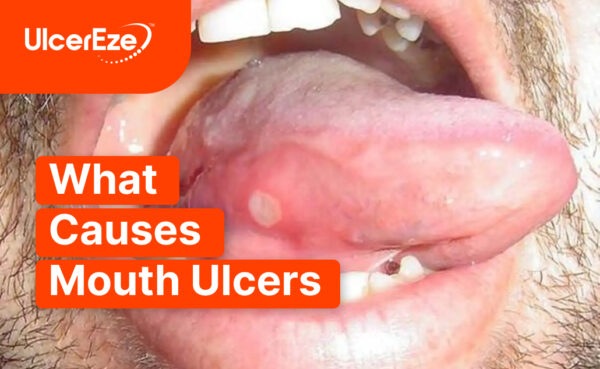
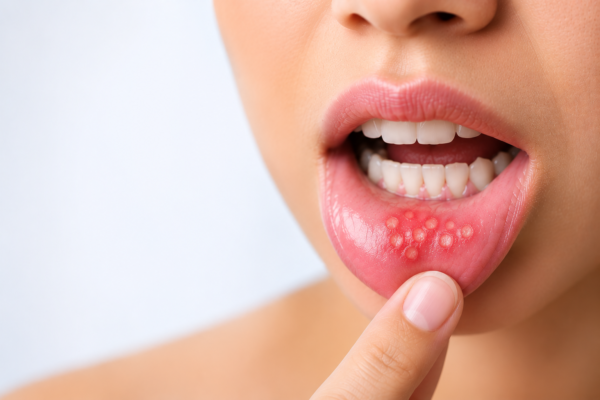
Mouth ulcers usually appear as small, round sores with a white or yellowish centre surrounded by a red border. They can develop on the inside of the cheeks, gums, under the tongue, or on the soft palate.
Common signs in toddlers include:
If you can safely look inside your toddler’s mouth and spot one or more small pale sores, a mouth ulcer may be the cause.
However, if the ulcers are widespread, accompanied by a high fever, or have not healed within two weeks, speak with your GP or paediatrician.

Not every mouth ulcer treatment designed for adults is suitable for toddlers. Fortunately, there are several gentle ways to help make your child more comfortable.
Soft and cool foods can be easier to eat when the mouth is sore. Try yoghurt, chilled puréed fruit, smoothies, and cool water.
Avoid hot, salty, spicy, or acidic foods while the ulcer is healing, as these can increase irritation and make eating more uncomfortable.
For toddlers over 12 months old, a small amount of honey may help soothe mouth discomfort. Never give honey to babies under 12 months.
Aloe vera gel is another natural option that some parents use to help soothe irritation. Make sure any product used in your child’s mouth is specifically suitable for oral use and for their age.
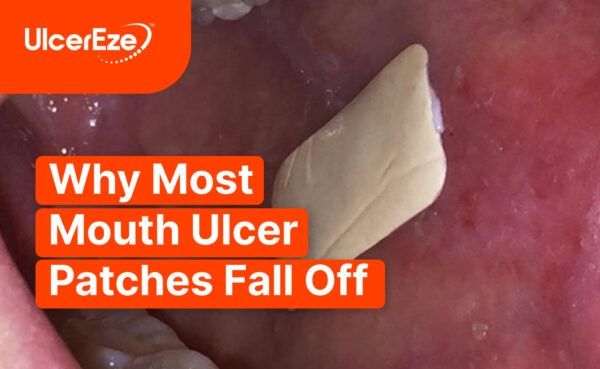
For children aged three and over, a drug-free protective patch such as UlcerEze can provide a practical form of mouth ulcer relief.
UlcerEze is free from salicylates, steroids, numbing agents, and preservatives. Instead of relying on an active medication, the patch creates a protective barrier over the ulcer, helping shield it from irritation caused by eating, drinking, and talking.
The patch can provide up to eight hours of protection, helping make mealtimes and sleep more comfortable. It can be applied with a clean finger using gentle pressure.
For parents looking for a gentle option, UlcerEze offers a simple way to protect a mouth ulcer from further irritation.
Its drug-free formula means it doesn’t introduce active medication into your child’s system. Instead, the protective patch covers the ulcer and helps create a barrier against everyday irritation.
It is also designed to be easy to apply, making it a practical option when you’re dealing with an upset toddler who may not want anything near their mouth.
Most mouth ulcers in toddlers clear up on their own within one to two weeks. However, some symptoms should be checked by a healthcare professional.
Speak with your GP or paediatrician if:
Recurring ulcers may sometimes be linked to an underlying issue, such as a nutritional deficiency or another health condition, so professional advice can be helpful.
A few simple changes can make the healing process easier:
Most importantly, try to stay calm yourself. Toddlers can quickly pick up on stress and anxiety, so a relaxed approach can make difficult mealtimes easier for everyone.
Mouth ulcer relief doesn’t have to be complicated. With gentle care, plenty of fluids, suitable foods, and the right protective option, most toddlers can get through a mouth ulcer comfortably and return to their normal routine.