Clear aligners are smoother and less bulky than fixed braces, but they can still cause mouth ulcers — particularly in the first week of treatment and each time you move to a new tray. In this blog, we’ll explain why aligner ulcers happen, how to prevent them and how UlcerEze patches can help you keep wearing your trays comfortably.
What is a mouth ulcer?
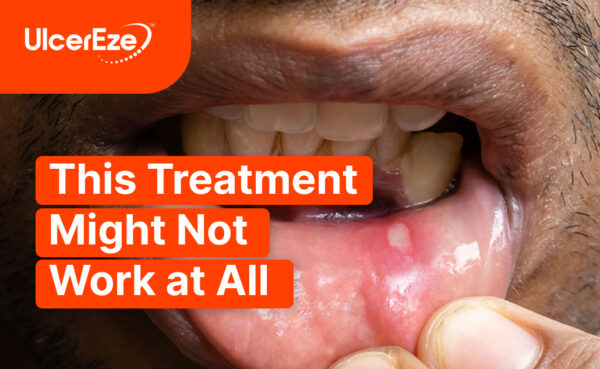
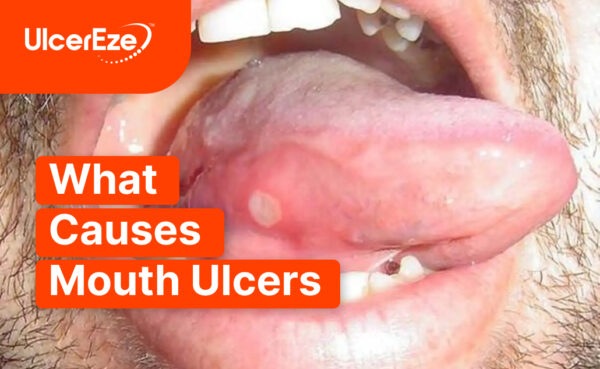
A mouth ulcer is a shallow sore on the soft lining of the mouth, usually with a white or yellow centre and a red border. Ulcers caused by orthodontic appliances are usually traumatic ulcers, meaning they form where something has rubbed against the tissue.
Why aligners cause ulcers Sharp or rough tray edges
Aligners are trimmed during manufacture, and the edge can sit slightly high or feel rough against the gum, cheek or tongue.
Attachments
Small tooth-coloured attachments bonded to the teeth give the aligner something to grip. They create raised, sometimes sharp points that rub the inside of the cheek and lip.
New tray tension
Each new tray applies fresh pressure. Teeth feel tender, the tray fits tightly, and soft tissue takes a few days to adjust.
Long wear hours
Aligners are typically worn 20 to 22 hours a day, so any point of friction gets a lot of contact time.
Dry mouth
Wearing trays for most of the day can reduce the natural lubrication of saliva across the lining, increasing friction.
Removing and inserting trays
Fingernails, awkward angles and repeated handling can nick the gums and inner lip.
How to prevent aligner ulcers
- Run a clean nail file or emery board gently along any rough tray edge, or ask your provider to smooth it
- Use orthodontic wax over a sharp attachment or edge
- Change to a new tray at night so the first hours of tension pass while you sleep
- Stay well hydrated
- Insert and remove trays slowly, using the technique your provider showed you
- Keep trays clean, since debris can add roughness
- Never trim a tray significantly yourself — check with your provider first
Relieving an ulcer while in treatment
- Rinse with warm salt water two or three times a day
- Choose soft, cool, bland foods while the ulcer is painful
- Avoid spicy, salty, acidic and crunchy foods
- Brush gently around the sore with a soft-bristled brush
- Consider SLS-free toothpaste if ulcers keep recurring
How UlcerEze can help
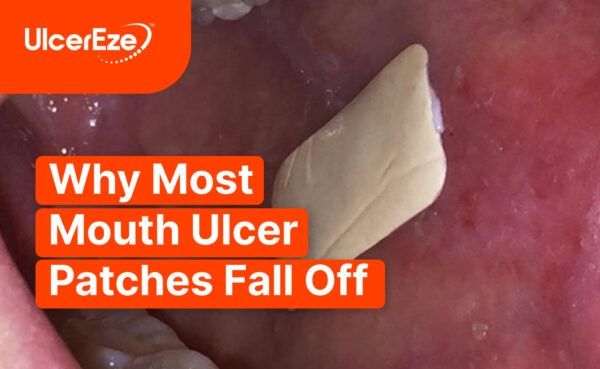
Aligner ulcers are a friction problem, which is exactly what a barrier is for. The UlcerEze Mouth Ulcer Patch sits directly over the ulcer and helps protect it from ongoing rubbing from the tray, attachments and food. Because it stays in place rather than washing away likea gel, it can help make eating, drinking and speaking more comfortable while the ulcer heals and your mouth adjusts to the new tray.
When to see your orthodontist or dentist
Get in touch if:
- An ulcer hasn’t healed after three weeks
- The same spot keeps ulcerating, which suggests a tray or attachment needs adjusting
- A tray edge is visibly cutting into the gum
- An attachment has broken or come loose
- Pain is severe enough that you’re leaving trays out Leaving trays out for long periods can set your treatment back, so it’s worth resolving the cause rather than pushing through.
FAQs
Do Invisalign ulcers stop after the first few trays?
For most people, the mouth adapts within the first couple of weeks, though new attachments or a change in tray design can restart it briefly.
Can I file my aligner edges myself?
Light smoothing of a rough edge is often fine, but check with your provider first — removing material changes the fit.
Are aligner ulcers worse than braces ulcers?
Usually less frequent, since there are no wires or brackets, but attachments and tray edges can still cause them. This blog is general information only and is not a substitute for advice from a qualified health professional. Never use internet content for self-diagnosis.