
Shop Direct | Free Shipping above $29 | Same day dispatch

Warning Signs & Types of Mouth Ulcers

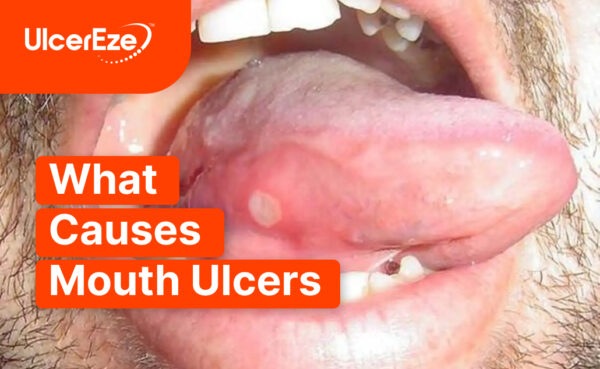
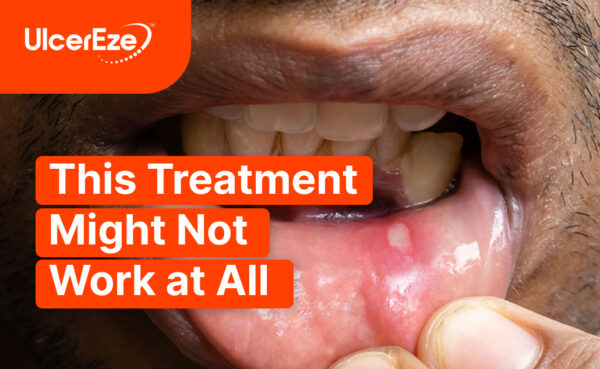
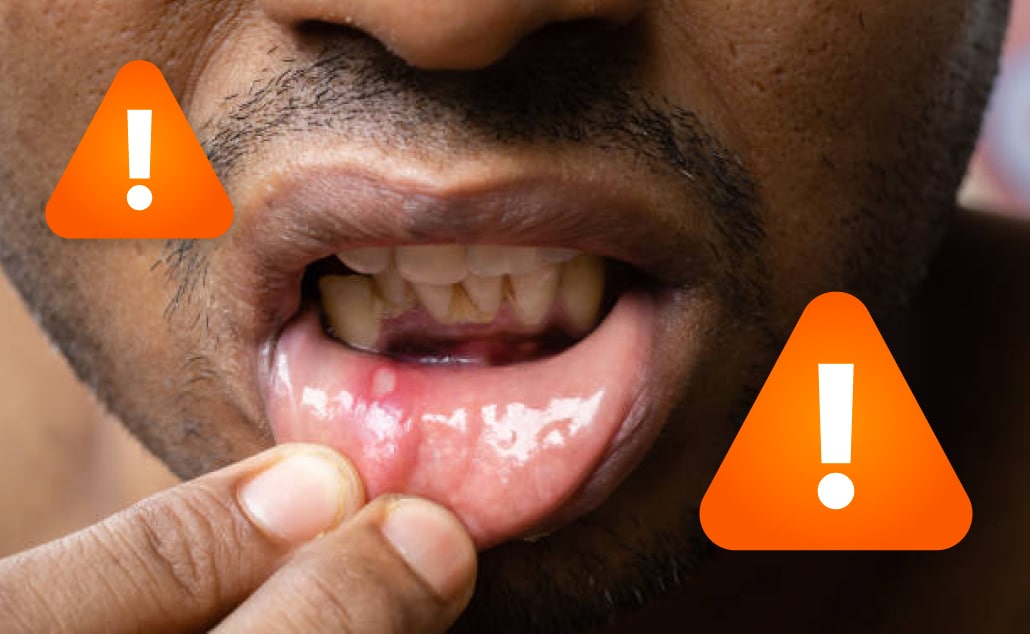
Warning signs of a mouth ulcer

Warning signs of a mouth ulcer
Mouth ulcers often start with mild irritation before the sore becomes fully visible. Recognising the early signs can help you manage discomfort sooner.

Common signs include:

  • A tingling or burning feeling inside the mouth
    • Redness or slight swelling in one area
    • A small white or yellow sore with a red border
    • Pain when eating, drinking, or brushing your teeth
    • Discomfort while speaking or chewing

If treated early, protecting the ulcer from irritation can help make daily activities more comfortable.

Types of mouth ulcers

  1. Minor ulcers
    These are the most common types. They are usually small, shallow, and heal within 1 to 2 weeks without leaving a scar. 
  2. Major ulcers
    Major ulcers are larger and deeper, often taking several weeks to heal. They can be more painful and may leave scarring. 
  3. Herpetiform ulcers
    These appear as clusters of very small sores that can join together into larger ulcers. Despite the name, they are not related to the herpes virus.

Try UlcerEze today for instant relief and faster healing.

What causes mouth ulcers?

Mouth ulcers can develop for many different reasons, including:

  • Accidentally biting the inside of the mouth
  • Brushing too hard or irritation from braces or dentures
  • Stress and fatigue
  • Hormonal changes
  • Low iron, vitamin B12, or folate levels
  • Spicy or acidic foods
  • Certain health conditions affecting the immune system or digestion

Sometimes the exact cause is difficult to identify, especially if ulcers occur occasionally.

Ways to relieve mouth ulcer pain

Protecting the ulcer from friction is one of the simplest ways to reduce discomfort while healing takes place naturally.

Helpful options include:

  • Mouth ulcer patches that cover the sore and reduce irritation
  • Warm salt water rinses
  • Drinking plenty of water
  • Avoiding spicy, acidic, or crunchy foods
  • Over-the-counter numbing gels for temporary relief

Many people prefer patches during the day because they stay in place while eating and speaking.

How to use a mouth ulcer patch

  • Rinse your mouth gently with water
  • Dry the area lightly with a tissue
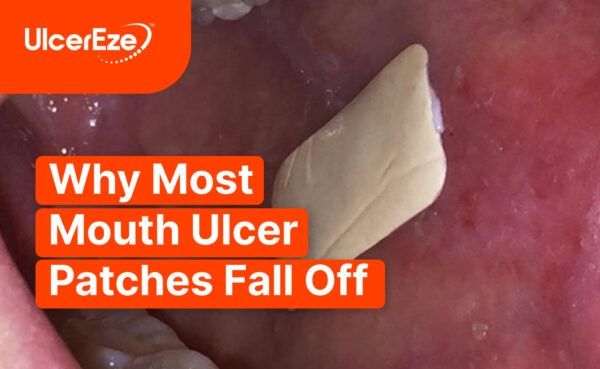
  • Place the patch directly over the ulcer
  • Press gently for a few seconds until it adheres

Once applied, the patch forms a protective barrier over the sore to help reduce discomfort throughout the day.

How to reduce future flare-ups

Although mouth ulcers are common, a few simple habits may help reduce how often they appear:

  • Use a soft-bristle toothbrush
  • Maintain good oral hygiene
  • Stay hydrated
  • Reduce stress where possible
  • Avoid foods that regularly irritate your mouth
  • Eat a balanced diet with enough vitamins and minerals

When to see a doctor or dentist

Most mouth ulcers heal within one to two weeks. You should seek professional advice if:

  • An ulcer lasts longer than two weeks
  • Ulcers return very frequently
  • The sore is unusually large or severe
  • You also experience fever, weight loss, or swollen glands

Mouth ulcers can be painful and frustrating, but simple care and early protection can make a significant difference to comfort while the area heals naturally.

Order your UlcerEze mouth ulcer patches today and experience fast