A white coating on the tongue can be alarming, especially if you also have a painful sore in your mouth. Most of the time, both are harmless and related to the same underlying cause. In this blog, we’ll explain what white tongue is, when it’s connected to mouth ulcers, and how UlcerEze patches can help with the discomfort.
What is white tongue?
White tongue describes a white or greyish film across the surface of the tongue. It happens when the tiny bumps on the tongue, called papillae, become swollen or inflamed and trap food debris, bacteria and dead cells between them. In most cases, it’s harmless and temporary.
What is a mouth ulcer?
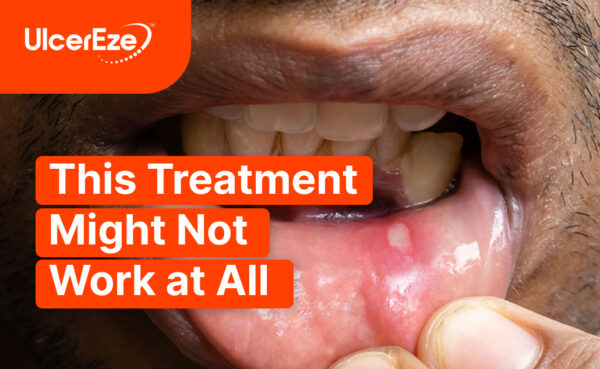
A mouth ulcer is a small, shallow sore on the lining of the mouth, most often on the inner cheeks, lips, tongue or gums. It typically has a white or yellow centre and a red border, and it usually heals within one to two weeks without treatment.
How are the two connected?
They often share the same triggers
Being run-down, dehydrated, unwell or under stress can produce both a coated tongue and an outbreak of ulcers at the same time. Neither causes the other; they simply have overlapping causes.
Reduced oral hygiene during an outbreak
When a painful ulcer makes brushing uncomfortable, many people brush less thoroughly. Debris then builds up on the tongue more easily.
Dry mouth
Saliva naturally cleans the mouth. Dehydration, mouth breathing, some medications and alcohol-based mouthwashes all reduce saliva, which can leave the tongue coated and the mouth lining more prone to irritation.Oral thrush A fungal overgrowth can create thick white patches that may look like ulcers but often wipe away, leaving a red or bleeding surface underneath. This needs assessment by a health professional.
The ulcer itself
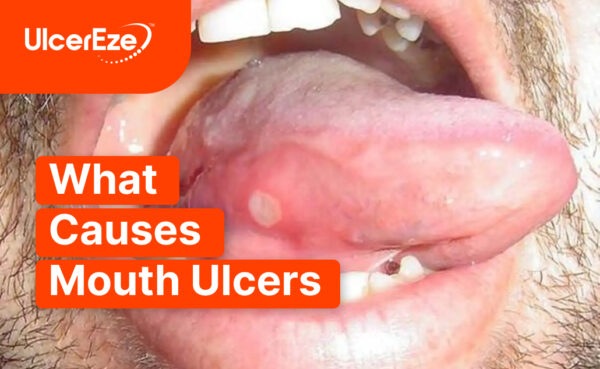
The white centre of an ulcer on the tongue is not the same thing as white tongue. It’s a protective layer that forms over the open sore.
How to tell the difference
|
Feature
|
White tongue
|
Mouth ulcer
|
|
Appearance
|
Broad coating across the surface
|
Defined round or oval sore
|
|
Pain
|
Usually, painless
|
Usually, painful
|
|
Border
|
No red rim
|
Red, inflamed rim
|
|
Removable
|
Coating may reduce with gentle
brushing
|
Cannot be wiped away
|
Caring for both
- Gently brush the tongue or use a tongue scraper once daily
- Stay well hydrated throughout the day
- Choose an alcohol-free mouthwash
- Rinse with warm salt water to keep sore areas clean
- Reduce smoking and alcohol, which both dry the mouth
- Keep up regular brushing even when an ulcer makes it awkward
How UlcerEze can help
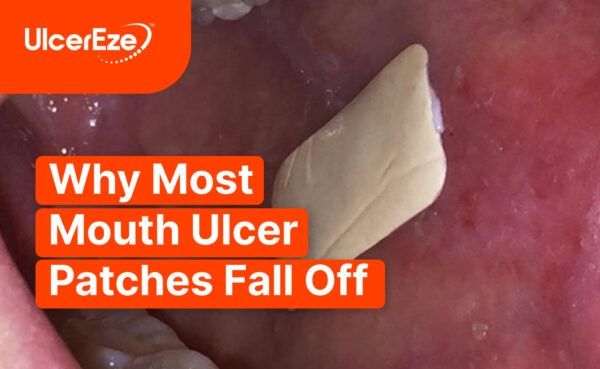
Brushing and tongue cleaning are far easier when the ulcer isn’t screaming at you. The UlcerEze Mouth Ulcer Patch forms a protective barrier over the sore, helping to shield it from friction and irritation so you can keep up your normal oral hygiene routine while it heals.
When to see a dentist or doctor
Get it checked if:
- The white patches can’t be brushed away and leave a red, sore surface
- White patches persist for more than two weeks
- You have a white patch that is thick, raised or hard
- Ulcers keep recurring alongside a persistently coated tongue
- You have burning, taste changes or difficulty swallowing
FAQs
Does white tongue mean I have an infection?
Not usually. It’s most often a build-up of debris. Persistent patches that don’t brush away should be assessed.
Should I scrape my tongue if I have an ulcer on it?
Clean the tongue gently and avoid the ulcer itself. Never scrape over an open sore.
Can toothpaste cause white tongue?
Some people react to sodium lauryl sulphate in toothpaste with irritation and peeling of the lining. An SLS-free toothpaste is worth trialling. This blog is general information only and is not a substitute for advice from a qualified health professional. Never use internet content for self-diagnosis.