One ulcer is annoying. Ulcers that arrive every few weeks, or that never quite give you a clear run, are something else. Recurrent mouth ulcers affect a large number of people, and while there’s rarely a single cause, there’s usually a pattern worth finding. In this blog, we’ll work through the common reasons ulcers keep coming back.
What are recurrent mouth ulcers?
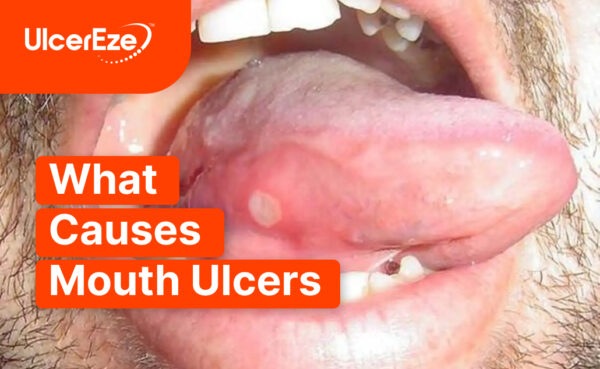
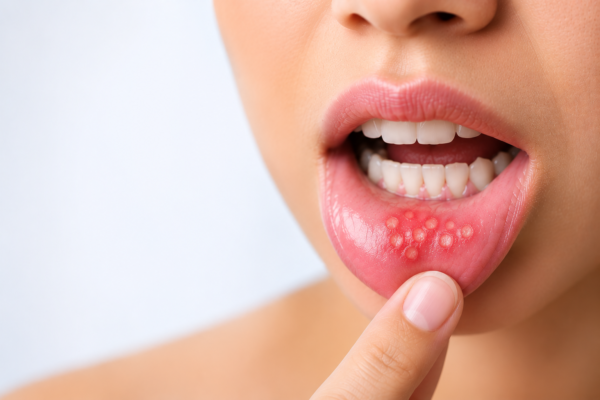
Recurrent aphthous ulceration describes ulcers that keep returning without an obvious injury each time. They tend to fall into three patterns:
- Minor — small sores under about 1cm, healing in one to two weeks without scarring. The most common type.
- Major — larger, deeper and more painful, taking several weeks to heal and occasionally leaving a mark.
- Herpetiform — multiple pinpoint ulcers that can merge into larger sores, despite the name having nothing to do with herpes.
Common reasons ulcers keep coming back Repeated trauma to the same area
A sharp tooth, worn filling, ill-fitting denture, braces bracket or aligner edge will keep producing ulcers in the same spot until it’s fixed. If your ulcers appear in the same place, this is the first thing to rule out.
Nutritional deficiencies
Low iron, folate, vitamin B12 and zinc are all associated with recurrent ulcers. A simple blood test through your GP can check this.
Stress and fatigue
Demanding periods, poor sleep and being run-down are among the most reported triggers.
Hormonal changes
Some people notice ulcers tracking with their menstrual cycle, or changes during pregnancy and menopause.
Toothpaste ingredients
Sodium lauryl sulphate, the foaming agent in most toothpastes, is linked with more frequent ulcers in some people. Switching to an SLS-free toothpaste for a few months is a low-cost trial.
Food triggers
Chocolate, coffee, nuts, tomatoes, citrus, strawberries and highly spiced or salty foods are commonly reported. Triggers are individual, which is why a diary beats a generic list.
Quitting smoking
Ulcers often increase temporarily after stopping smoking. This usually settles, and it isn’t a reason to start again.
Underlying health conditions
Coeliac disease, inflammatory bowel disease such as Crohn’s, and some immune conditions can present with recurrent mouth ulcers. Ulcers alongside gut symptoms, weight loss, fatigue, rashes or joint pain deserve a proper assessment.
Some medications
Certain medications, including some anti-inflammatories and blood pressure medications, are associated with mouth ulceration. Don’t stop anything without speaking to your prescriber.
Finding your pattern
Keep a diary for two to three months recording: the date each ulcer appears, where it is, what you ate in the days before, sleep and stress levels, any dental work, and where you are in your cycle if relevant. Patterns that are invisible day to day often become obvious across a few months.
Reducing how often they appear
- Get any sharp tooth, filling or appliance edge fixed
- Ask your GP about checking iron, B12 and folate
- Trial an SLS-free toothpaste
- Use a soft-bristled brush and avoid brushing too hard
- Manage stress and protect sleep during busy periods
- Cut back on your identified trigger foods
- Stay hydrated
How UlcerEze can help
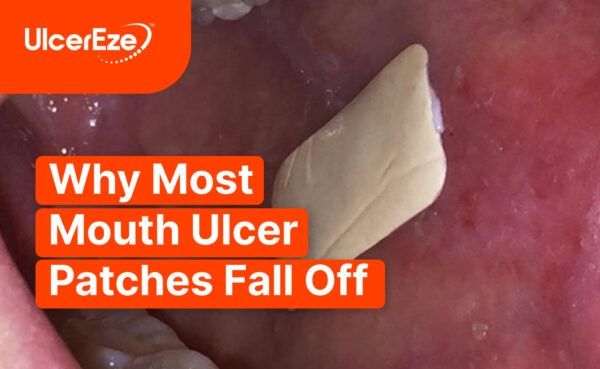
While you work out your triggers, you still need to get through each ulcer. The UlcerEze Mouth Ulcer Patch sits over the sore and forms a protective barrier, helping to shield it from food, drink and friction so that eating, drinking and speaking are more comfortable during healing. Patches can be applied to more than one ulcer at a time if you’re dealing with several.
When to see a dentist or doctor
Book an appointment if:
- Any ulcer lasts longer than three weeks
- Ulcers are near-constant, or heal only to be replaced
- You also have gut symptoms, unexplained weight loss or ongoing fatigue
- Ulcers come with genital ulcers, eye inflammation, rashes or joint pain
- Ulcers began after starting a new medication
FAQs
Is it normal to get mouth ulcers every month?
It’s common, but a monthly cycle is worth investigating — hormones, a repeated trauma point or a deficiency are the usual
explanations.
Can a vitamin deficiency really cause ulcers?
Low iron, B12 and folate are all associated with recurrent ulcers, and a blood test is straightforward.
Do mouth ulcers mean my immune system is weak?
Not on their own. Recurrent ulcers alongside frequent infections or feeling generally unwell should be assessed by your GP. This blog is general information only and is not a substitute for advice from a qualified health professional. Never use internet content for self-diagnosis.