
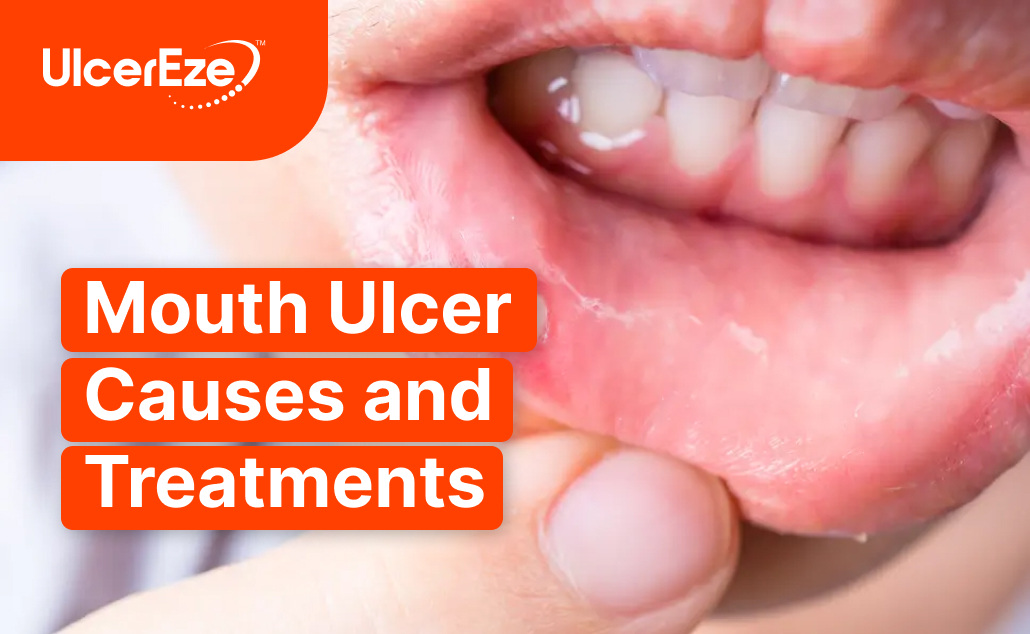
There is very little that feels ‘minor’ about a mouth ulcer when you actually have one. That small, white sore sitting on the inside of your cheek or lip somehow manages to make eating, drinking, and talking feel like an extreme sport. And the most frustrating part is that most people have no idea what actually caused it or what will genuinely help it heal faster. Here’s the truth: the right mouth ulcer treatment can make a real difference to how much discomfort you deal with and how quickly you get back to normal. Whether this is your first one or the same frustrating problem that keeps coming back, here’s everything you need to know.
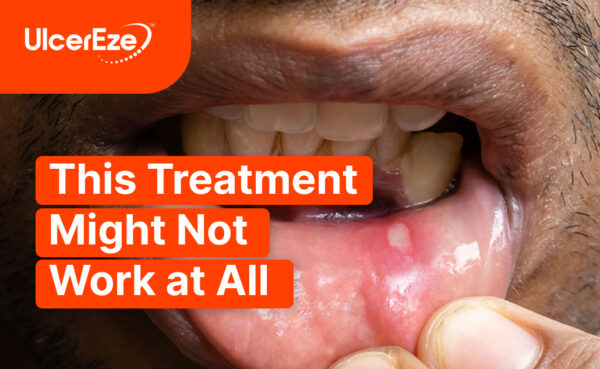
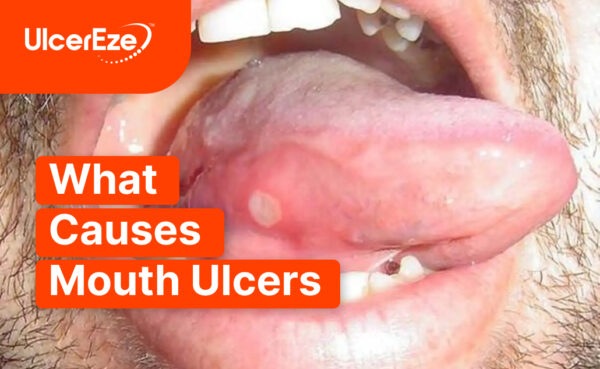
A mouth ulcer, also known as a canker sore or aphthous ulcer, is a small, round sore that forms on the soft tissue inside the mouth. You will typically find them on the inner cheeks, the inside of the lips, the tongue, or the floor of the mouth. They appear as white or yellowish sores with a red border, and while they look small, they have a remarkable talent for causing outsized pain.
Unlike cold sores, mouth ulcers are not contagious and cannot be passed from person to person. They affect between 20 and 25 percent of the population, making them one of the most common oral health complaints there is. Despite how widespread they are, many people are genuinely unsure what triggers them, which turns every new ulcer into a guessing game.

Mouth ulcers rarely have a single cause. Most are triggered by a combination of factors, and identifying your personal pattern is one of the most useful things you can do if you deal with them regularly.
Stress is one of the most well-documented triggers. Research shows that stressful life events nearly triple the odds of a mouth ulcer flare-up. During exam season, heavy work periods, or stretches of poor sleep, many people notice ulcers appearing with frustrating regularity. The immune response shifts under stress, and the soft tissues of the mouth often show the signs of it first.
Nutritional deficiencies are another common culprit. Studies show that roughly half of people with recurrent mouth ulcers are deficient in vitamin B12, around 46 percent have low folate levels, and approximately 10 percent have low iron stores. These nutrients are essential for maintaining healthy oral tissue, and when levels drop, the lining of the mouth becomes noticeably more vulnerable.
Hormonal changes can also play a role, particularly for women. Some people notice mouth ulcers appearing in the days just before their period, when oestrogen and progesterone levels shift. This hormonal connection is well-documented, though it is often the last thing people consider when looking for a cause.
Physical trauma is another straightforward trigger. Accidentally biting the inside of your cheek, eating something with a sharp edge, brushing your teeth too aggressively, or irritation from dental appliances can all cause an ulcer to form at the site of the injury. These usually resolve fairly quickly once the source of irritation is removed.
Acidic and spicy foods round out the most common triggers. Citrus fruits, tomatoes, vinegar-based dressings, and intensely spicy dishes can irritate the delicate lining of the mouth. They may not cause an ulcer on their own, but in someone who is already prone to them, these foods can tip the balance and kick off a new sore.
One of the lesser-known ulcer triggers is something most of us use twice a day without a second thought. Many standard toothpastes contain a foaming agent called sodium lauryl sulfate, or SLS, which can irritate the lining of the mouth and make ulcers significantly more likely in people who are prone to them. In one clinical study, participants who switched to an SLS-free toothpaste saw their ulcer count drop by 60 to 70 percent. If you’re getting ulcers regularly and haven’t looked at your toothpaste yet, it’s one of the first things worth changing.
In most cases, a mouth ulcer will heal on its own within one to two weeks. The first few days are usually the most uncomfortable, and the pain tends to ease as the ulcer begins to close over. The main challenge during that window is the constant irritation from eating, drinking, and speaking, all of which can slow the healing process if the ulcer is repeatedly disturbed.
As the American humorist Erma Bombeck once said, ‘There is a thin line that separates laughter and pain, comedy and tragedy.’ Anyone who has tried to eat a bowl of pasta with a mouth ulcer will know exactly what she meant. If your ulcer lasts longer than three weeks, is unusually large or severe, or if you’re getting multiple ulcers on a recurring basis, it is worth speaking to a doctor or dentist. Persistent or unusual ulcers can occasionally be a sign of an underlying condition that deserves further investigation.
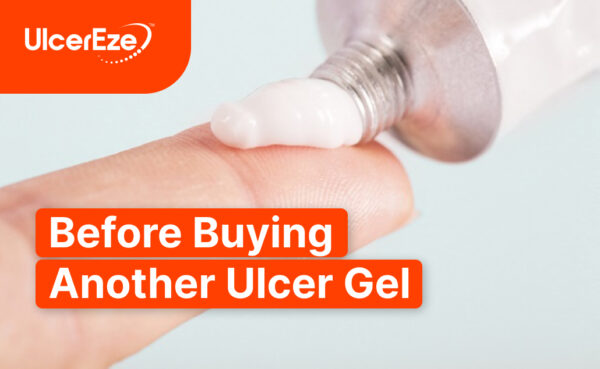
There is no treatment that cures a mouth ulcer overnight, but several approaches can meaningfully reduce pain and help you heal more comfortably. The most effective mouth ulcer treatment strategies work by protecting the ulcer from further irritation, reducing inflammation, and supporting the body’s natural healing process.
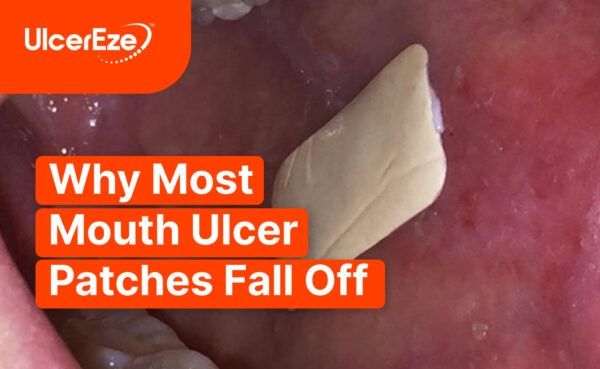
Protective patches are one of the most practical options available. UlcerEze is a pharmacist-formulated oral patch made with naturally sourced ingredients that creates a gentle, protective barrier directly over the ulcer. It shields the sore from the friction and irritation of talking, eating, and drinking, so your body can heal without constant disruption. Each patch provides up to eight hours of protection and contains no steroids, numbing agents, alcohol, or preservatives, making it suitable for adults and children over three years of age. No mess, no sting, and no need to interrupt your day.
If you’re wondering how to get rid of a mouth ulcer at home, a warm saltwater rinse is one of the most widely recommended first steps. Salt creates a mildly antiseptic environment, reduces inflammation, and gently cleanses the area without irritating the tissue further. Rinsing two to three times a day, particularly after meals, can provide noticeable relief and keep the area clean.
Avoiding your known triggers is the other half of effective management. Once you’ve identified what tends to set yours off, whether that’s a particular food, a stressful period, or a toothpaste ingredient, actively steering clear of those triggers shortens both the duration and the frequency of outbreaks. A simple blood test through your GP can also confirm whether a nutritional deficiency is contributing, which is worth checking if you’re dealing with ulcers regularly.
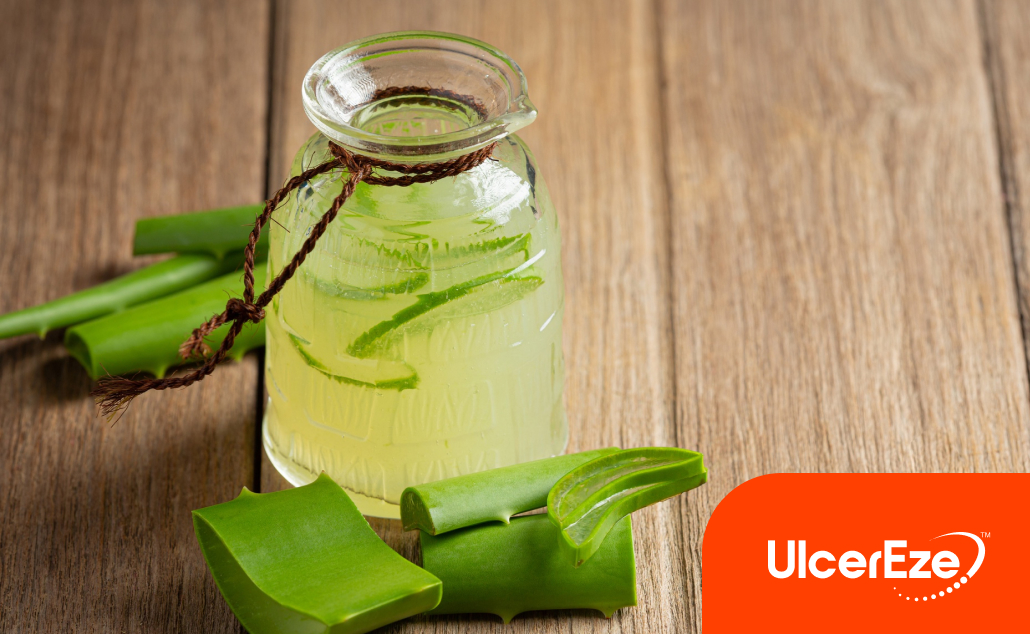
Several natural remedies have a reasonable evidence base and are worth knowing about. Honey applied directly to the ulcer has natural antibacterial and soothing properties, and can help reduce discomfort while providing a gentle protective coating over the sore. Aloe vera gel is another widely used option, valued for its ability to reduce inflammation and provide a cooling, non-irritating relief.
Chamomile used as a rinse or compress has long been associated with calming oral inflammation and reducing irritation in the soft tissues of the mouth. It’s gentle, widely available, and easy to incorporate into a daily care routine.
These natural remedies work best when combined with a physical protective approach. Applying honey or aloe vera to an unprotected ulcer that keeps getting disturbed by food and talking will only go so far. Pairing a soothing remedy with a protective patch gives the ulcer the best possible environment to heal without interruption.
For anyone who deals with recurring ulcers, prevention is ultimately more valuable than treatment. The evidence points consistently toward a few practical strategies. Switching to an SLS-free toothpaste and using a soft-bristled brush is a simple first step that can produce noticeable results quickly. Eating a diet rich in vitamin B12, found in meat, eggs, and dairy; folate, found in leafy greens and legumes; and iron can significantly reduce how often ulcers appear in people with nutritional gaps.
Managing stress, through exercise, better sleep, or whatever approach actually works for you, is worth taking seriously as a prevention strategy given how directly the research links stress to ulcer frequency. And keeping a loose food diary for a few weeks can help you spot any dietary patterns that seem to be triggering flare-ups, giving you something specific to address rather than just avoiding everything acidic and hoping for the best.
Mouth ulcers are one of those problems people tend to push through rather than properly address, but with the right approach they really don’t have to be that disruptive. Understanding your triggers, protecting the ulcer while it heals, and addressing any underlying nutritional gaps gives you a genuinely effective toolkit. For reliable, comfortable relief without harsh chemicals or messy gels, UlcerEze offers an effective mouth ulcer treatment that works with your body, not against it. Pharmacist-formulated, naturally sourced, and simple to use, it is the kind of product you will want on hand the moment the next one appears.
The most common question is how to get rid of a mouth ulcer as quickly as possible. The honest answer: protect it, identify what caused it, and give your body the space to do what it naturally does. UlcerEze is designed to help you do exactly that.