
Mouth ulcers can make simple things like eating, drinking, and talking uncomfortable. They’re small, but the irritation can feel constant, especially when the area rubs against your teeth or tongue.
While there’s no instant fix, most ulcers heal within 1 to 2 weeks. The key is reducing irritation and supporting the healing process.
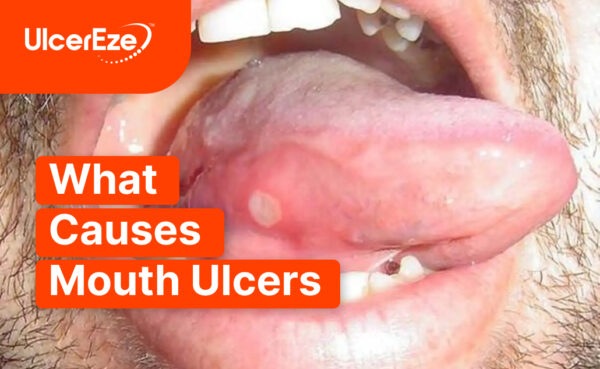
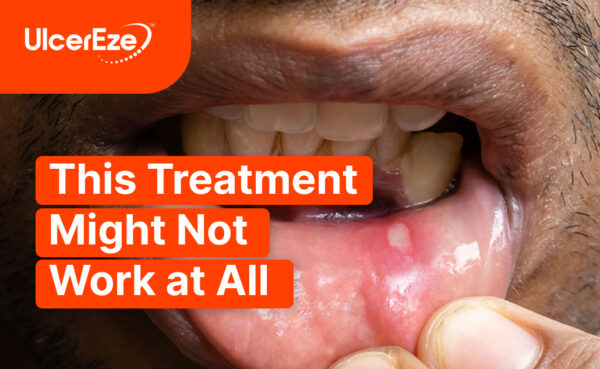
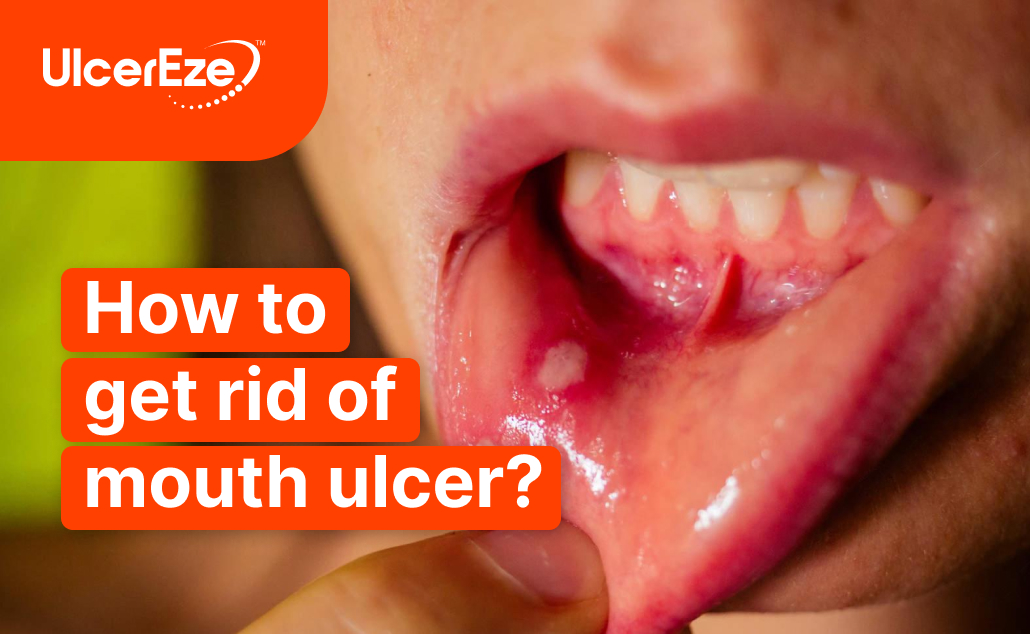
A mouth ulcer is a small sore that forms inside the mouth, usually on the cheeks, lips, tongue, or gums. It often has a white or yellow centre with a red border.
The pain comes from exposed nerve endings, which makes the area sensitive to heat, acidity, and friction. Even normal movement in the mouth can keep the ulcer irritated throughout the day.

Mouth ulcers are usually triggered by a mix of factors:
Minor Injury
Biting your cheek, brushing too hard, or irritation from braces or dentures.
Diet
Spicy, acidic, or rough foods can irritate the mouth lining.
Stress and Fatigue
These can weaken your body’s ability to repair tissue.
Nutritional Deficiencies
Low levels of iron, vitamin B12, folate, or zinc may increase recurrence.
Other Factors
Hormonal changes or underlying conditions can also play a role.
If an ulcer appears, the focus should be on comfort and avoiding further irritation:
These steps can help reduce discomfort, but protection is just as important.

Some home options may help ease irritation:
These can help with discomfort, but they don’t stop the ulcer from being irritated during daily activities.
Ulcers often stay painful because of constant contact. Eating, speaking, and even saliva can keep the area irritated and slow healing.
Protecting the ulcer helps reduce this friction and allows the tissue to recover more comfortably.
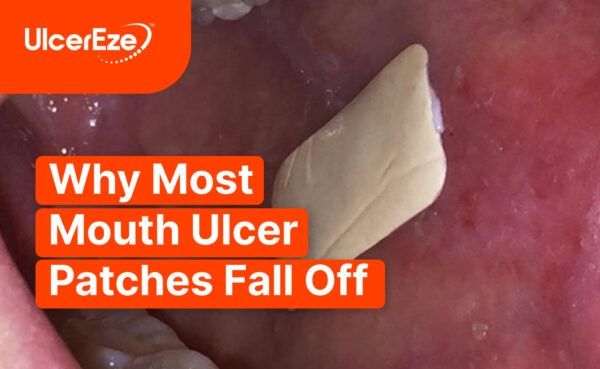
A mouth ulcer patch sits directly over the sore, creating a barrier between the ulcer and everyday irritation.
This helps:
Patches like UlcerEze are designed to stay in place and work throughout the day.
Once applied, avoid touching the area briefly. Softer foods are still recommended while healing.
Small changes can help reduce how often ulcers appear.
Most ulcers heal on their own, but speak to a healthcare professional if:
If you’re wondering how to get rid of a mouth ulcer, the most effective approach is simple care combined with protection.
Avoiding triggers, using gentle remedies, and protecting the area can make a noticeable difference in comfort while it heals.